Maintaining optimal dental health is crucial for overall well-being, and preventive dental care plays a vital role in achieving this goal. This article provides essential tips from a trusted Kearny NJ dentist, focusing on effective strategies to keep your smile healthy. Readers will learn about the importance of routine dental checkups, best oral hygiene practices, preventive treatments, and special advice for children’s dental care. Many individuals overlook the significance of preventive measures, leading to costly dental issues down the line. By implementing these tips, you can avoid common problems such as cavities and gum disease. This guide will cover how often to schedule checkups, effective oral hygiene practices, preventive treatments, and tailored advice for children’s dental care.
The broader implications of dental health extend beyond individual well-being, significantly impacting healthcare systems and societal outcomes.
Impact of Dental Care on Health & Costs
Dental diseases have detrimental effects on healthcare systems and societies at large. Providing access to dental care can arguably improve health outcomes, reduce healthcare utilization costs, and improve several societal outcomes.
The impact of dental care programs on healthcare system and societal outcomes: a scoping review, A Ebnahmady, 2022
How Often Should You Schedule Routine Dental Checkups?
Routine dental checkups are essential for maintaining oral health and preventing serious dental issues. Regular visits to a trusted dental clinic in Kearny NJ allow for early detection of potential problems, ensuring timely intervention. The American Dental Association recommends that individuals schedule dental checkups at least once every six months, though the frequency may vary based on individual needs and risk factors.
Recommended Dental Checkup Frequency for All Ages
The recommended frequency for dental checkups varies by age group. Children should have their first dental visit by their first birthday and continue with regular checkups every six months. Adults should also aim for biannual visits, while seniors may require more frequent checkups due to age-related dental issues. Regular visits help monitor oral health and prevent complications.
While general guidelines often suggest biannual visits, some research indicates that the optimal frequency might vary more than commonly perceived.
Routine Dental Checkup Effectiveness for All Ages
AimsTo systematically review the effectiveness of routine dental checks of different recall frequencies in adults and children. Six-monthly routine dental checks or any other specific frequency of routine dental check for adults or children cannot be advocated on the basis of existing evidence.
The effectiveness of routine dental checks: a systematic review of the evidence base, CF Davenport, 2003
Benefits of Regular Dental Exams in Preventing Cavities and Gum Disease
Regular dental exams provide numerous benefits, including the early detection of cavities and gum disease. These checkups allow dentists to identify issues before they escalate, saving patients from more extensive treatments and costs. Additionally, routine exams help maintain overall oral health, contributing to better systemic health outcomes.
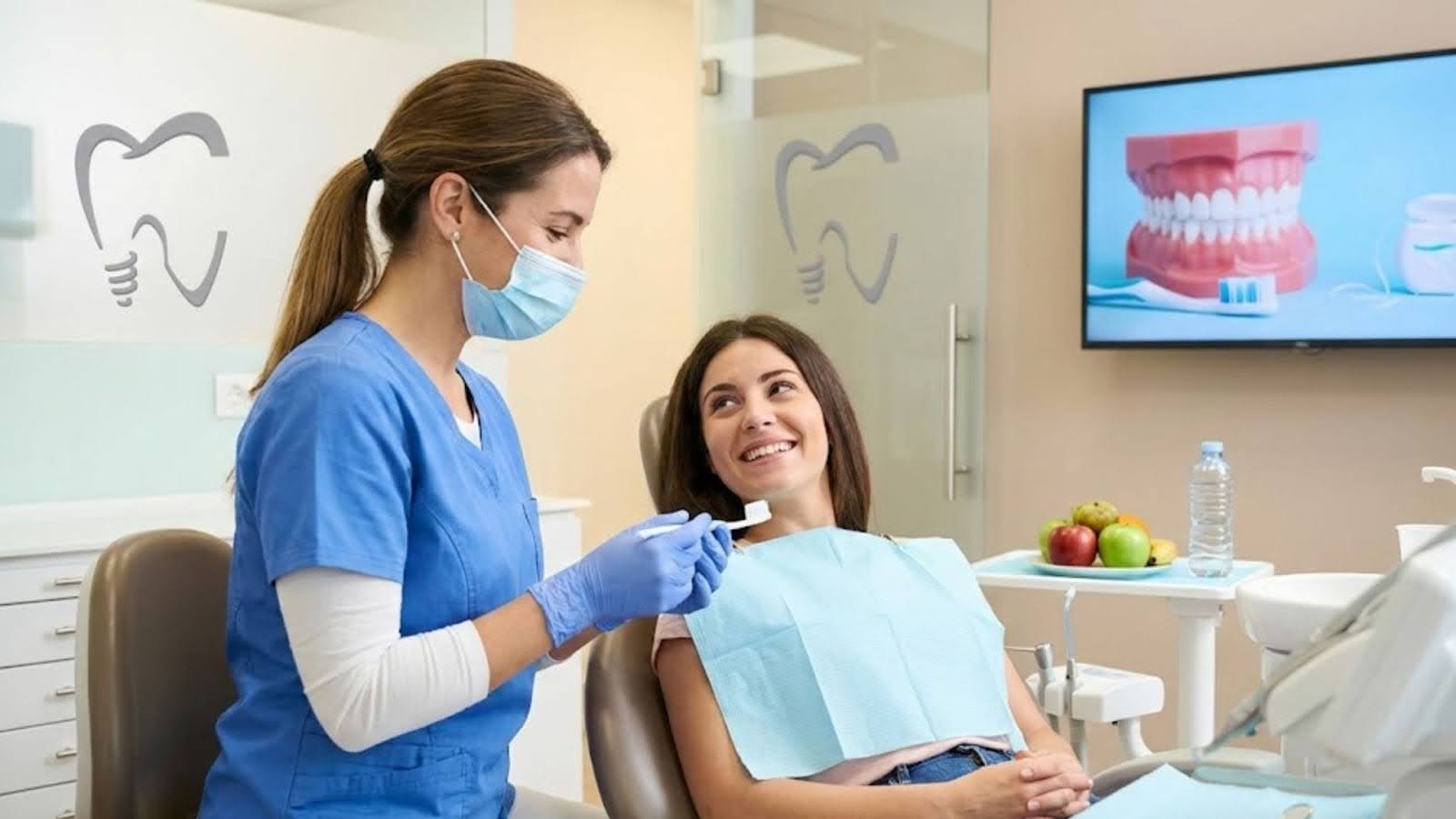
Trovato Family Dentistry emphasizes the importance of routine checkups in their practice, focusing on patient comfort and advanced technology to enhance the dental experience.
What Are the Best Oral Hygiene Practices to Maintain Your Smile?
Maintaining good oral hygiene is fundamental to preventing dental issues and ensuring a healthy smile. Effective oral hygiene practices include daily brushing, flossing, and regular dental cleanings.
Effective Brushing and Flossing Techniques for Daily Care
Brushing your teeth at least twice a day with fluoride toothpaste is essential for removing plaque and preventing cavities. Use a soft-bristled toothbrush and replace it every three to four months. Flossing daily is equally important, as it removes food particles and plaque from between teeth where a toothbrush cannot reach. Proper technique involves gently sliding the floss between teeth and curving it around each tooth to clean effectively.
Oral Hygiene Tips to Prevent Cavities and Promote Gum Health
In addition to brushing and flossing, consider the following tips to enhance your oral hygiene routine:
- Use Mouthwash: An antimicrobial mouthwash can help reduce plaque and gingivitis.
- Limit Sugary Foods: Reducing sugar intake can significantly lower the risk of cavities.
- Stay Hydrated: Drinking water helps wash away food particles and bacteria.
Trovato Family Dentistry offers educational resources and services to support patients in maintaining optimal oral hygiene.
How Can You Prevent Cavities with Preventive Treatments?
Preventive treatments are essential for protecting teeth from decay and maintaining oral health. These treatments can significantly reduce the risk of cavities and other dental issues.
Overview of Dental Sealants and Fluoride Applications
Dental sealants are a protective coating applied to the chewing surfaces of back teeth, effectively sealing out food particles and bacteria. Fluoride treatments strengthen tooth enamel, making it more resistant to decay. Both treatments are particularly beneficial for children and individuals at higher risk for cavities.
How Preventive Treatments Protect Your Teeth from Decay
Preventive treatments like sealants and fluoride applications have been shown to reduce cavity rates significantly. Studies indicate that sealants can reduce the risk of cavities by up to 80% in molars. Regular application of fluoride can also enhance enamel strength, providing long-term protection against decay.
Further research underscores the importance of these preventive measures, especially for younger populations, in significantly reducing the incidence of dental decay.
Sealants & Fluoride for Children’s Cavity Prevention
Most of the detected increment in dental caries among children above the age of six years and adolescents is confined to occlusal surfaces of posterior permanent molars. Dental sealants and fluoride varnishes are much used to prevent caries. As the effectiveness of both interventions in controlling caries as compared with no intervention has been demonstrated previously, this review aimed to evaluate their relative effectiveness.
Pit and fissure sealants versus fluoride varnishes for preventing dental decay in the permanent teeth of children and adolescents, W Kashbour, 2020
What Special Advice Is There for Children’s Dental Care?
Children’s dental care requires special attention to ensure healthy development and instill good habits early on. Parents play a crucial role in guiding their children through proper oral hygiene practices.
Oral Hygiene Education Tailored for Kids and Families
Teaching children about oral hygiene can be fun and engaging. Use age-appropriate resources, such as books and videos, to explain the importance of brushing and flossing. Involve children in their dental care by allowing them to choose their toothbrush and toothpaste flavors.
Managing Dental Anxiety in Children for Comfortable Visits
Many children experience dental anxiety, which can hinder their willingness to visit the dentist. To ease this anxiety, parents can:
- Prepare Them: Explain what to expect during the visit in simple terms.
- Create a Positive Environment: Choose a pediatric dentist who specializes in making visits enjoyable.
- Use Distraction Techniques: Bring a favorite toy or book to help keep them calm during the appointment.
Trovato Family Dentistry is committed to providing a comfortable and friendly environment for children, ensuring that their dental visits are positive experiences.
For more information on improving your smile, consider cosmetic dentistry options.
If you’re considering more permanent solutions for missing teeth, dental implants might be the right choice.
For all your dental needs, contact us today to schedule an appointment.