Laser dentistry offers a minimally invasive alternative to traditional gum surgery. Using precise dental lasers, clinicians can target diseased tissue with less discomfort and fewer surgical steps through Laser Dentistry in Kearny. This article outlines how laser periodontal therapy works, the clinical benefits for patients, and common questions about the procedure. It also describes Trovato Family Dentistry’s role in Kearny as a local practice recognised for its expertise in laser gum disease treatments.
Effectiveness and Pain-Free Nature of Periodontal Therapy
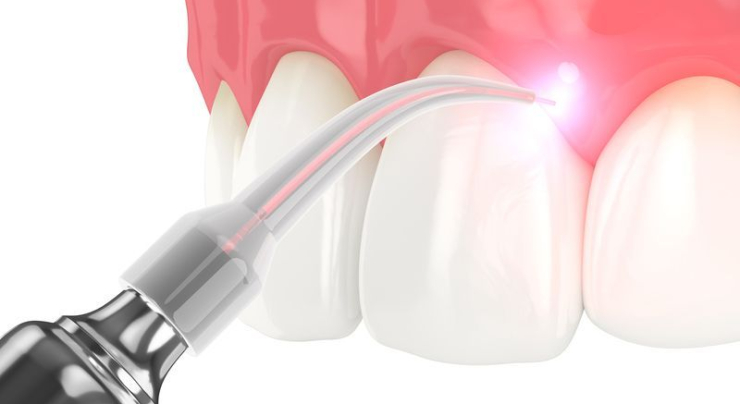
Laser periodontal therapy uses focused dental lasers to remove bacteria and damaged tissue from the pockets around teeth. The technique reduces bleeding and supports a faster recovery than many conventional surgical approaches. Patients who experience dental anxiety often find this option more comfortable, since the procedure is less invasive and may require little or no local anaesthesia.
The procedure is effective across a range of gum disease stages and is designed to preserve healthy gum tissue. That tissue-sparing approach contributes to improved clinical outcomes and long-term oral health.
Benefits of Laser Periodontal Therapy
Laser periodontal therapy delivers several practical advantages over traditional gum treatments. These include:
- Minimally Invasive Procedures: Lasers often eliminate the need for incisions, which reduces tissue trauma and discomfort.
- Reduced Discomfort and Faster Recovery: Many patients report less postoperative pain and a shorter return-to-normal timeline.
- Enhanced Precision: Concentrated laser energy enables targeted treatment while preserving surrounding healthy tissue.
For these reasons, patients increasingly select laser dentistry when seeking effective, patient-centred care for gum disease.
| Treatment Method | Effectiveness | Recovery Time |
|---|---|---|
| Laser Periodontal Therapy | High | 24-48 hours |
| Traditional Surgery | Moderate | 1-2 weeks |
| Scaling and Root Planing | Moderate | 1 week |
This comparison highlights the advantage of laser therapy in both clinical effectiveness and reduced recovery time.
How Does Laser Gum Treatment Work Compared to Traditional Methods?
Laser gum treatment employs concentrated light energy to ablate diseased tissue and reduce bacterial load within periodontal pockets. Unlike techniques that require cutting and suturing, the laser provides a sterile and precise method that limits trauma to healthy tissue. Clinical evidence shows this approach can support bacterial reduction and encourage healthier gum regeneration.
The Role of Trovato Family Dentistry in Laser Gum Disease Treatment
Trovato Family Dentistry integrates advanced laser technology into its periodontal care to deliver treatment that prioritises patient comfort and clinical effectiveness. The practice emphasises personalised treatment planning and uses modern equipment to ensure precise results.
At Trovato Family Dentistry, clinicians take time to explain each step of the treatment and address concerns such as dental anxiety. Their approach combines patient education with state-of-the-art techniques to make procedures as comfortable and transparent as possible.
Patient Experience and Comfort
Dental anxiety is a common barrier to care. The team at Trovato Family Dentistry recognises this and offers comfort measures, including sedation options when appropriate, to support patients during laser procedures. Their clinical team works to maintain a calm and respectful environment throughout treatment.
Laser procedures also tend to be shorter than conventional surgery, which reduces chair time and improves the overall patient experience. Follow-up appointments are arranged to monitor healing and confirm that recovery is progressing as expected.
Safety and Precautions in Laser Dentistry
Clinical studies support the safety and effectiveness of laser dentistry for treating gum disease. Patients should consult experienced dental professionals trained in laser protocols to ensure appropriate case selection and safe delivery. Trovato Family Dentistry adheres to established safety procedures throughout treatment.
In summary, laser gum disease treatments at Trovato Family Dentistry offer a patient-centred alternative to traditional approaches. The combination of modern technology and attentive care reflects the practice’s commitment to high-quality periodontal treatment.
Frequently Asked Questions
What types of gum disease can laser dentistry treat?
Laser dentistry can treat a spectrum of gum conditions, from gingivitis to periodontitis. The laser targets infected tissue and reduces inflammation, supporting healing and tissue regeneration. Its precision helps preserve healthy tissue while addressing diseased areas, making it suitable for mild through more advanced cases.
How does laser periodontal therapy compare in cost to traditional treatments?
Laser periodontal therapy may have higher upfront costs because of the specialised equipment involved. Many patients find the reduced recovery time and improved clinical outcomes offset those costs. Insurance coverage varies, so patients should consult their provider and speak with the dental office about financing and payment options.
Are there any side effects associated with laser gum treatment?
Side effects from laser gum treatment are generally minimal due to the procedure’s less invasive nature. Some patients may notice mild discomfort or temporary inflammation at the treatment site, which typically resolves quickly. Adhering to postoperative care instructions from your dentist helps minimise any transient effects.
Can dental insurance cover laser gum treatments?
Insurance coverage for laser gum treatments differs among plans. Some insurers may cover a portion of the procedure, while others may require pre-authorisation. We recommend contacting your carrier or consulting with the dental office to clarify potential reimbursements and any expected out-of-pocket costs.
What should I expect during a laser gum treatment appointment?
A typical appointment begins with a consultation and assessment, followed by application of a local anaesthetic or sedation if needed. The clinician then uses the laser to remove diseased tissue and bacterial deposits. Treatments are often shorter than traditional surgery, and clear aftercare instructions are provided to support healing.
How long does the recovery process take after laser treatment?
Recovery after laser treatment is usually rapid, with many patients noticing improvement within 24 to 48 hours. Compared with conventional gum surgery, laser therapy tends to cause less swelling and discomfort. Patients are advised to maintain good oral hygiene and attend follow-up visits to confirm healing.
Is laser dentistry suitable for children with gum disease?
Laser dentistry can be appropriate for paediatric patients in certain cases because it is less invasive and often requires less anaesthesia. Parents should consult a paediatric dentist experienced with laser protocols to determine the most suitable treatment for their child’s specific condition.
Conclusion
Laser dentistry provides an effective, less invasive option for treating gum disease while minimising discomfort and recovery time. Patients benefit from precise treatments that support improved oral health and greater comfort during care. To learn whether laser periodontal therapy is appropriate for you, schedule a consultation with Trovato Family Dentistry and discuss the treatment options available.