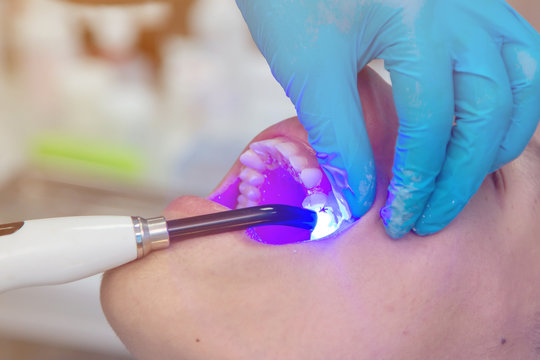
Laser dentistry has changed cavity care by offering a near‑painless option that reduces the anxiety common with traditional fillings. The technique uses focused laser energy to remove decay with minimal invasion, preserving healthy tooth structure. Patients typically experience shorter recovery and greater comfort. This article outlines the clinical advantages of laser cavity treatment, the technology behind it, and patient outcomes that demonstrate its value.
Patient Benefits
Laser cavity treatment improves the patient experience through greater comfort, efficiency, and conservative tooth preservation. The approach often shortens appointments, limits tissue loss, and reduces post‑procedure soreness, supporting quicker return to daily life. Patients in the Kearny area seeking modern dental care can learn more about these options at laser dentistry.
How Does Laser Technology Work in Treating Cavities?
Lasers deliver concentrated light energy that removes decay while sparing surrounding healthy tooth material. That precision reduces the need for anaesthesia and limits mechanical trauma, which supports faster healing and a more comfortable procedure. The technique helps patients return to normal activity more quickly than many traditional approaches.
Which Advanced Techniques Make Laser Dentistry Minimally Invasive?
Minimal invasiveness comes from targeted laser ablation, which vaporizes decayed tissue with high accuracy and minimal impact on adjacent gums and enamel. This reduced trauma typically results in less discomfort during treatment and shorter healing times compared with conventional drilling, helping patients feel more at ease.
What Are the Key Benefits of Laser Cavity Treatment for Patients?
The primary advantages for patients include:
- Painless Experience: The advanced technology minimizes discomfort, reducing the need for anesthesia.
- Faster Healing: Patients experience quicker recovery times and can quickly resume daily activities after treatment.
- Precision: The high accuracy of lasers ensures that only the affected areas are treated, preserving healthy tooth structure.
Together, these advantages make cavity treatment more comfortable and accessible, especially for patients who experience dental anxiety.
How Does Laser Dentistry Reduce Pain and Enhance Healing?
Lasers reduce pain by eliminating the vibrations and pressure associated with drilling. They also encourage healing by causing less tissue trauma and, in some cases, stimulating local tissue repair. Many patients report noticeably less post‑treatment discomfort, consistent with a clinical goal of gentler care.
In What Ways Does Laser Treatment Improve Patient Comfort and Confidence?
Without the noise and vibration of a drill and with reduced pain, patients find the environment calmer and less stressful. This improved experience helps rebuild confidence in dental care, making patients more likely to attend follow‑up and preventive visits.
How Does Laser Dentistry Address Dental Anxiety and Provide Fear-Free Fillings?
Laser techniques directly address dental anxiety by combining gentler treatment with clear explanations of the procedure. Patients gain reassurance knowing discomfort will be minimized, which supports a low‑stress, supportive care environment.
What Psychological and Clinical Approaches Reduce Patient Fear?
Clinicians pair patient‑centered communication and procedure walkthroughs with the gentleness of laser care to reduce fear. Simple preparation, transparent explanations, and the opportunity to ask questions help patients feel informed and in control of their treatment choices.
What Are Patient Experiences and Testimonials on Laser Cavity Treatments?
Patient feedback commonly describes relief from pain and a marked reduction in anxiety after laser procedures. Many report that the experience differed significantly from expectations based on traditional drilling, resulting in a more positive attitude toward ongoing dental care.
How Does Laser Dentistry Compare to Traditional Cavity Filling Methods?
Compared with conventional drilling, laser dentistry offers measurable advantages in comfort and recovery. Patients typically report lower pain levels and faster healing, underlining the effectiveness of modern laser techniques for suitable cases.
What Are the Advantages Over Conventional Drilling Fillings?
Key advantages over traditional drilling include:
- Reduced Complications: The precision of lasers minimizes the potential for damage to surrounding tissues.
- Less Anesthesia Required: Many patients find laser treatments comfortable enough to require little to no numbing agents.
- Faster Recovery Times: Patients heal quicker and typically experience less soreness post-procedure.
Combined, these factors make laser dentistry a preferred option for many patients seeking conservative cavity care.
Are There Limitations or Specific Cases for Laser vs Traditional Fillings?
Laser dentistry is highly effective for many cases but does have limits. Extensive or deep decay may still require conventional drilling, and some practices may not have laser equipment. Patients should discuss case‑specific options with their provider.
How Can Patients in Kearny Access Laser Dentistry for Painless Cavity Fillings?
Begin by learning about consultation and scheduling at local practices that prioritise modern techniques. Patients seeking this technology can explore options available at clinics such as Trovato Family Dentistry.
What is the Consultation and Treatment Scheduling Process at Trovato Family Dentistry?
At Trovato Family Dentistry, scheduling is straightforward: call (201) 991-0177 to book an appointment. The initial consultation includes an assessment of dental health and a clear explanation of whether laser treatment is appropriate and how it may benefit the patient.
What Financing and Affordability Options Make Laser Dentistry Accessible?
To improve access, Trovato Family Dentistry offers tailored financing and payment plans designed to meet patient needs. Cost concerns can be discussed during the consultation so patients can choose an option that fits their budget. Contact us to review available payment arrangements.
Frequently Asked Questions
What types of dental issues can laser dentistry treat besides cavities?
In addition to cavities, laser dentistry can treat gum disease, assist with teeth whitening procedures, and address sensitivity from worn enamel. Lasers are also used for soft tissue work such as frenectomies and removal of benign growths. This versatility allows clinicians to manage both hard and soft tissue concerns with greater precision and less discomfort.
Is laser dentistry suitable for children?
Yes. Laser dentistry is well suited to many paediatric needs, particularly for children who fear traditional drilling. The gentler approach and reduced pain can make visits less intimidating while effectively treating cavities and other common issues. Parents should discuss suitability with the child’s dentist to ensure the best care path.
How long do the effects of laser dentistry last compared to traditional methods?
Laser‑treated fillings can provide durable outcomes because the method preserves healthy tooth structure and targets decay precisely. Longevity depends on individual oral hygiene and routine care, but many patients experience fewer recurrences in treated areas compared with some conventional approaches.
Are there any side effects associated with laser dentistry?
Laser dentistry is generally safe; however, some patients may notice mild, short‑lived effects such as slight swelling or sensitivity immediately after treatment. These reactions tend to be milder than those following traditional drilling. Discuss any concerns with your dentist before treatment to understand expected outcomes.
How can patients determine if laser dentistry is right for them?
A consultation with a qualified dentist is the best way to determine suitability. The clinician will evaluate the type and extent of decay, review patient anxiety levels and preferences, and recommend the most appropriate option—laser or traditional—based on those factors.
How does recovery differ after laser dental treatments compared to traditional methods?
Recovery after laser procedures is typically quicker and more comfortable than after conventional treatments. Patients often report minimal pain and swelling, less bleeding, and faster healing due to reduced tissue damage. Following post‑treatment instructions and maintaining good oral hygiene supports optimal recovery.
Conclusion
Laser dentistry offers a clinically advanced, less invasive option for cavity care, combining greater patient comfort with efficient, preservative treatment. The technology reduces discomfort, supports faster recovery, and can improve overall treatment outcomes. Residents of Kearny interested in anxiety‑reducing, modern cavity care are encouraged to explore laser options at local practices and schedule a consultation to discuss whether this approach suits their needs.