Porcelain veneers are a widely used cosmetic treatment that can transform the appearance of teeth. Many patients understandably worry about how much enamel will be removed. Knowing enamel’s role in veneer placement, the typical removal process, and the associated risks and benefits helps you make an informed choice. This article explains how much enamel is removed, contrasts traditional and minimal-prep veneers, and guides patients in Kearny, NJ considering Porcelain Veneers in Kearny on selecting the best option.
What is the Role of Tooth Enamel in Porcelain Veneer Procedures?
Enamel is the tooth’s outer protective layer and is critical to veneer success. Dentists remove a small amount of enamel so veneers fit and bond securely. This step helps achieve a natural appearance while protecting the underlying tooth. Preserving as much enamel as possible supports tooth strength and lowers future risk.
How Does Tooth Enamel Affect Veneer Placement?
Enamel thickness influences how veneers are placed. Conservative enamel reduction helps veneers adhere and perform reliably. Excessive removal can increase sensitivity and raise the chance of veneer complications. Clinicians therefore balance achieving a secure fit with conserving enamel to protect tooth health.
What Are the Benefits of Preserving Enamel During Veneer Preparation?
Conserving enamel maintains natural tooth strength and reduces the likelihood of decay or sensitivity later. It also produces more natural-looking results by allowing veneers to blend seamlessly with adjacent teeth.
How Much Enamel is Typically Removed for Porcelain Veneers?
Enamel removal varies with individual needs and veneer type. Typically it is minimal—about 0.3 to 0.7 millimeters. This conservative approach preserves tooth integrity while permitting successful veneer placement.
What is the Standard Enamel Shaving Process for Traditional Veneers?
The standard process begins with a clinical assessment and treatment planning. The dentist then precisely removes a thin layer of enamel from the tooth’s front surface. Impressions are taken to fabricate custom veneers, which are bonded at a follow‑up visit. Each step is performed carefully to ensure proper fit and a natural appearance.
How Do Minimal Prep Veneers Reduce Enamel Removal?
Minimal‑prep veneers are thinner and often require little or no enamel reduction. This less invasive approach preserves more natural tooth structure, lowers the risk of post‑operative sensitivity, and can shorten the treatment timeline. For patients seeking a conservative solution, minimal‑prep veneers may be appropriate.
Research supports the advantages of minimal preparation compared with more invasive conventional veneer techniques.
Conventional vs. No-Prep Veneers: Enamel Preservation
Conventional veneer preparation often requires substantial enamel removal, resulting in irreversible loss of tooth structure and possible pulpal or periodontal complications. No‑prep veneers — ultrathin ceramic laminates bonded without tooth reduction — align with biomimetic and minimally invasive dentistry principles by aiming to preserve enamel integrity while achieving superior esthetics and long‑term function.
Clinical Outcomes of No-prep Veneers and Conventional Veneers: A Systematic Review, R Kalaiselvam, 2026
What Are the Risks and Benefits of Enamel Removal for Veneers?
Enamel removal is a necessary component of veneer treatment and entails both risks and benefits. Reviewing these factors enables patients to make informed decisions about their care.
| Risk | Description | Impact Level |
|---|---|---|
| Increased Sensitivity | Removal of enamel can lead to heightened sensitivity to temperature changes. | Medium |
| Irreversibility | Once enamel is removed, it cannot be replaced, which may lead to long-term issues. | High |
| Potential for Damage | Improper application can result in damage to the underlying tooth structure. | Medium |
When performed correctly, limited enamel reduction can improve cosmetic outcomes and allow for a more precise veneer fit. This can enhance the smile’s appearance and produce a durable restorative result.
What Are the Potential Risks Associated with Tooth Enamel Shaving?
Enamel shaving can increase sensitivity to hot and cold by exposing dentin. It also carries the risk of permanent enamel loss that may weaken the tooth. Working with experienced clinicians and careful treatment planning helps minimise these risks.
How Does Enamel Removal Improve Cosmetic Results with Porcelain Veneers?
Removing a calibrated amount of enamel allows veneers to be customised to the tooth’s contours and shade. The result is a seamless, natural appearance. A precisely fitted veneer also supports long‑term durability of the restoration.
What Are the Procedure Steps for Porcelain Veneers Involving Enamel Removal?
Porcelain veneer treatment follows several defined steps to ensure a predictable outcome.
- Preparation and Consultation: The dentist evaluates the patient’s dental health and discusses treatment goals.
- Enamel Removal: A thin layer of enamel is carefully shaved from the tooth surface to prepare for the veneer.
- Impressions: Impressions of the teeth are taken to create custom veneers that fit perfectly.
- Final Placement: The veneers are bonded to the teeth, and any necessary adjustments are made to ensure comfort and aesthetics.
How is Enamel Removal Performed Safely Using Advanced Technology?
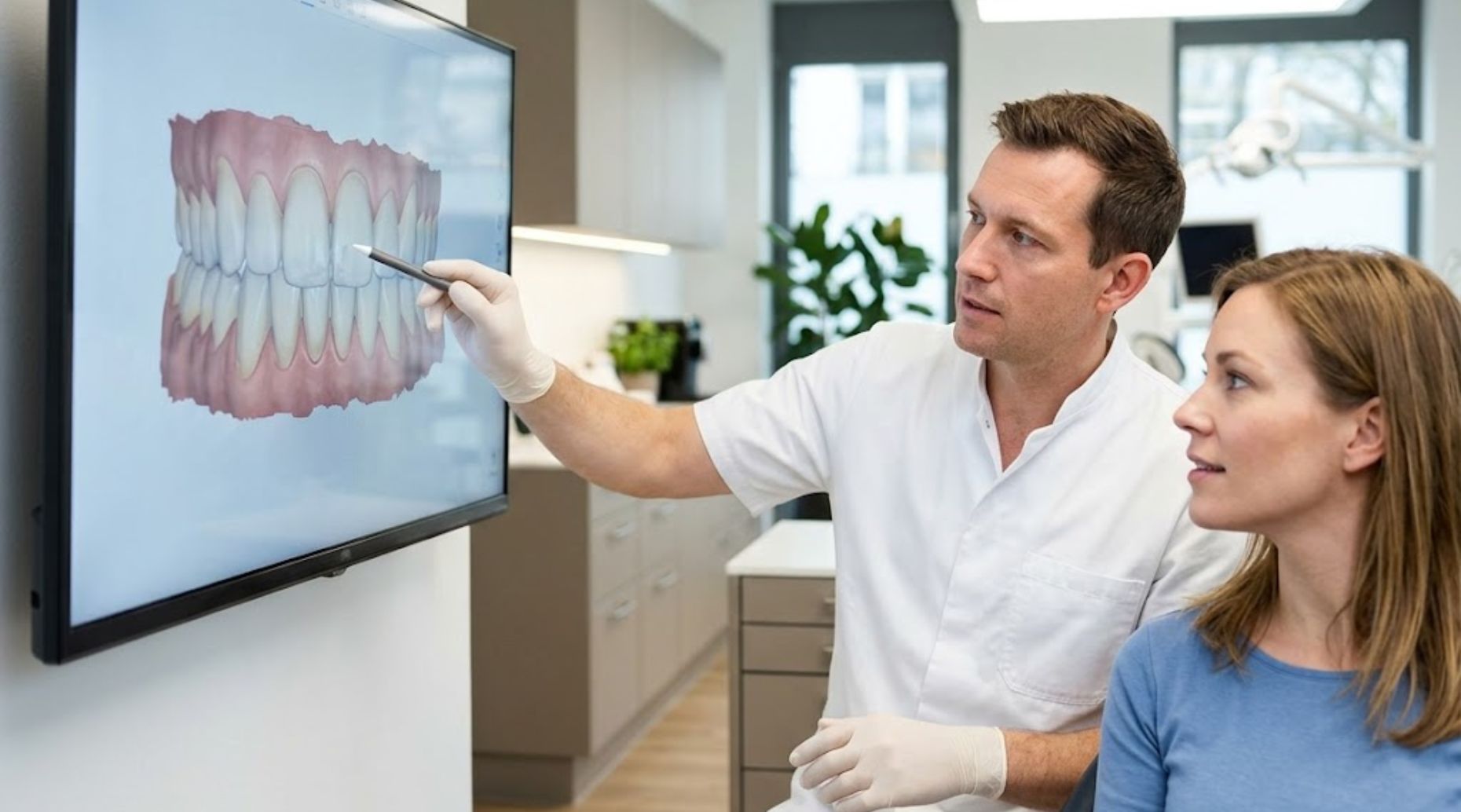
Dentists use advanced technology to perform enamel reduction with precision. Specialized instruments and modern imaging techniques guide conservative tooth preparation so only the necessary enamel is removed for optimal results.
What Aftercare is Recommended Following Enamel Shaving and Veneer Placement?
Proper aftercare preserves oral health and veneer longevity. Maintain regular brushing and flossing to prevent decay at veneer margins. Attend scheduled follow‑up visits so the dental team can monitor the restorations and address any sensitivity.
How Do Minimal Prep Veneers Benefit Patients in Kearny, NJ?
For patients in Kearny, NJ, minimal‑prep veneers offer conservative cosmetic enhancement. They conserve natural tooth structure and present a less invasive alternative to traditional veneers.
What Makes Minimal Prep Veneers Suitable for Enamel Preservation?
Their reduced thickness allows minimal‑prep veneers to be placed with little or no enamel reduction. This preserves tooth integrity and typically results in a more comfortable procedure.
How Do Minimal Prep Veneers Affect Long-Term Oral Health?
By conserving enamel, minimal‑prep veneers lower the risk of future sensitivity and decay. They also provide a natural aesthetic without compromising the health of the underlying teeth.
Studies report strong long‑term survival and success rates for no‑prep and minimally invasive veneers, supporting their benefits for oral health.
9-Year Survival Rates: Conventional vs. No-Prep Veneers
The mean survival rate, according to the Kaplan–Meier estimator, was 9.67% for conventional veneers and 100% for the no‑prep or minimal prep veneers. A total of ten absolute failures were observed in six patients: eight restoration chipping/fractures, one debonding, and one fracturing of the tooth. Mean success rate time for conventional veneers without absolute or relative failures was 9.32 years, and 10.28 years for no‑prep/minimally invasive veneers.
A prospective comparative analysis of the survival rates of conventional vs no-prep/minimally invasive veneers over a mean period of 9 years, 2022
How Can Patients Schedule a Consultation for Porcelain Veneers and Enamel Removal?
To discuss porcelain veneers and enamel considerations, schedule a consultation. At Trovato Family Dentistry, the team provides personalized care and addresses patient concerns throughout the treatment process.
What Financing Options Are Available to Make Veneer Treatments Affordable?
Trovato Family Dentistry provides financing options to improve accessibility. Flexible payment plans and third‑party financing help patients manage the costs associated with cosmetic dental care.
How Does Trovato Family Dentistry Ensure Compassionate and Expert Patient Care?
Patient care is central at Trovato Family Dentistry. The practice conducts thorough consultations to understand each patient’s goals. With a focus on personalized care, the team ensures patients feel informed and comfortable throughout their treatment.
For more information on improving your smile, consider porcelain veneers as an option.
To schedule a consultation and learn how Trovato Family Dentistry can help you achieve your ideal smile, contact us today.
Frequently Asked Questions
What are the differences between traditional and minimal prep veneers?
Traditional veneers generally require greater enamel removal—often 0.3 to 0.7 millimeters—to ensure a proper fit. Minimal‑prep veneers are thinner and can often be placed with little or no enamel reduction, making them less invasive and preserving more of the natural tooth structure. Patients seeking a conservative approach may prefer minimal‑prep veneers for their reduced impact on tooth health.
How long do porcelain veneers typically last?
Porcelain veneers are durable and typically last 10 to 15 years with proper care. Oral hygiene, diet, and dental habits influence their longevity. Regular dental check‑ups and prompt attention to any issues help extend the veneers’ service life.
Can porcelain veneers be repaired if damaged?
Yes. Minor chips can often be repaired with composite resin, while significant damage may require a new veneer. The dentist will assess the extent of damage to determine the appropriate solution. Regular dental visits help detect problems early and enable timely repairs.
What should I expect during the consultation for porcelain veneers?
During the consultation the dentist assesses your oral health, reviews your aesthetic goals, and explains the veneer process. You will have the opportunity to ask questions and discuss concerns. X‑rays or impressions may be taken to create a personalized treatment plan that outlines procedure details, costs, and aftercare.
Are there any dietary restrictions after getting porcelain veneers?
After veneer placement, avoid hard or sticky foods for a few days while the bonding material sets. Items like nuts, hard candies, and chewing gum can place undue stress on the veneers. Limit staining foods and beverages—such as coffee, tea, and red wine—to help preserve the veneers’ appearance. Follow your dentist’s aftercare instructions to support longevity.
How do I maintain my porcelain veneers?
Maintain veneers with good oral hygiene: brush and floss regularly and use a non‑abrasive toothpaste to avoid surface wear. Attend routine dental exams to monitor veneer condition. Avoid habits such as teeth grinding and using teeth as tools to preserve the restorations over time.
Conclusion
Understanding enamel removal is key to making informed decisions about porcelain veneers. Choosing minimal‑prep options can enhance aesthetics while conserving natural tooth structure, reducing risks, and supporting long‑term oral health. Schedule a consultation with Trovato Family Dentistry to review your options and plan for a confident, healthy smile.