Porcelain veneers in Kearny are a common cosmetic restoration that enhance smiles but require specific maintenance to last. This article explains the techniques dental hygienists in Kearny use to clean veneers safely and the role of professional care and patient education. Many patients do not realise that veneers have unique cleaning needs; improper care can cause damage. Understanding the cleaning steps and instruments helps you maintain veneers and enjoy a lasting, natural-looking smile. We outline veneer materials, professional cleaning methods, and home care between appointments.
What Are Porcelain Veneers and Why Is Their Maintenance Important?
Porcelain veneers are thin, custom-made ceramic shells bonded to the front of teeth to improve colour, shape and alignment while preserving a natural appearance. Maintenance is essential to prevent staining, wear and damage. Regular cleaning preserves both appearance and function so veneers remain serviceable for many years. Professional cleanings by trained dental hygienists are important because they use appropriate techniques and instruments that avoid scratching or otherwise harming the restoration.
Indeed, research shows that well-maintained porcelain veneers deliver excellent medium- to long-term aesthetics and high patient satisfaction.
Long-Term Aesthetics & Patient Satisfaction with Porcelain Veneers
The maintenance of aesthetics of porcelain veneers in the medium to long term was excellent; patient satisfaction was high.
Porcelain veneers: a review of the literature, M Peumans, 2000
Understanding Porcelain Veneer Materials and Their Sensitivities
Porcelain veneers are made from high-quality dental ceramics that mimic the translucency of natural teeth. While durable, these materials can be sensitive to abrasive cleaning methods. Abrasive toothpastes or hard-bristled brushes can scratch the surface and dull the finish over time. Understanding material sensitivities helps both clinicians and patients follow care practices that extend the service life of veneers.
Benefits of Professional Veneer Maintenance for Long-Term Oral Health
Professional cleaning of porcelain veneers delivers clear benefits that support long-term oral health:
1. Longevity of Veneers: Regular professional cleanings help maintain the integrity and appearance of veneers, preventing premature wear and discoloration.
2. Gum Health Improvement: Dental hygienists can identify and address any gum issues that may arise around the veneers, ensuring overall oral health.
3. Preventing Damage: Professional cleaning techniques are designed to protect the veneers from scratches and other forms of damage that can occur with improper cleaning methods.
Trovato Family Dentistry stresses the importance of professional cleaning to ensure patients receive optimal, expert care.
How Do Dental Hygienists Perform Safe Cleaning on Porcelain Veneers?
Dental hygienists use targeted techniques to clean porcelain veneers safely, preserving both function and appearance.
Step-by-Step Professional Veneer Cleaning Methods
The cleaning process typically involves several steps:
1. Initial Assessment: The hygienist examines the veneers and surrounding gum tissue for any signs of wear or damage.
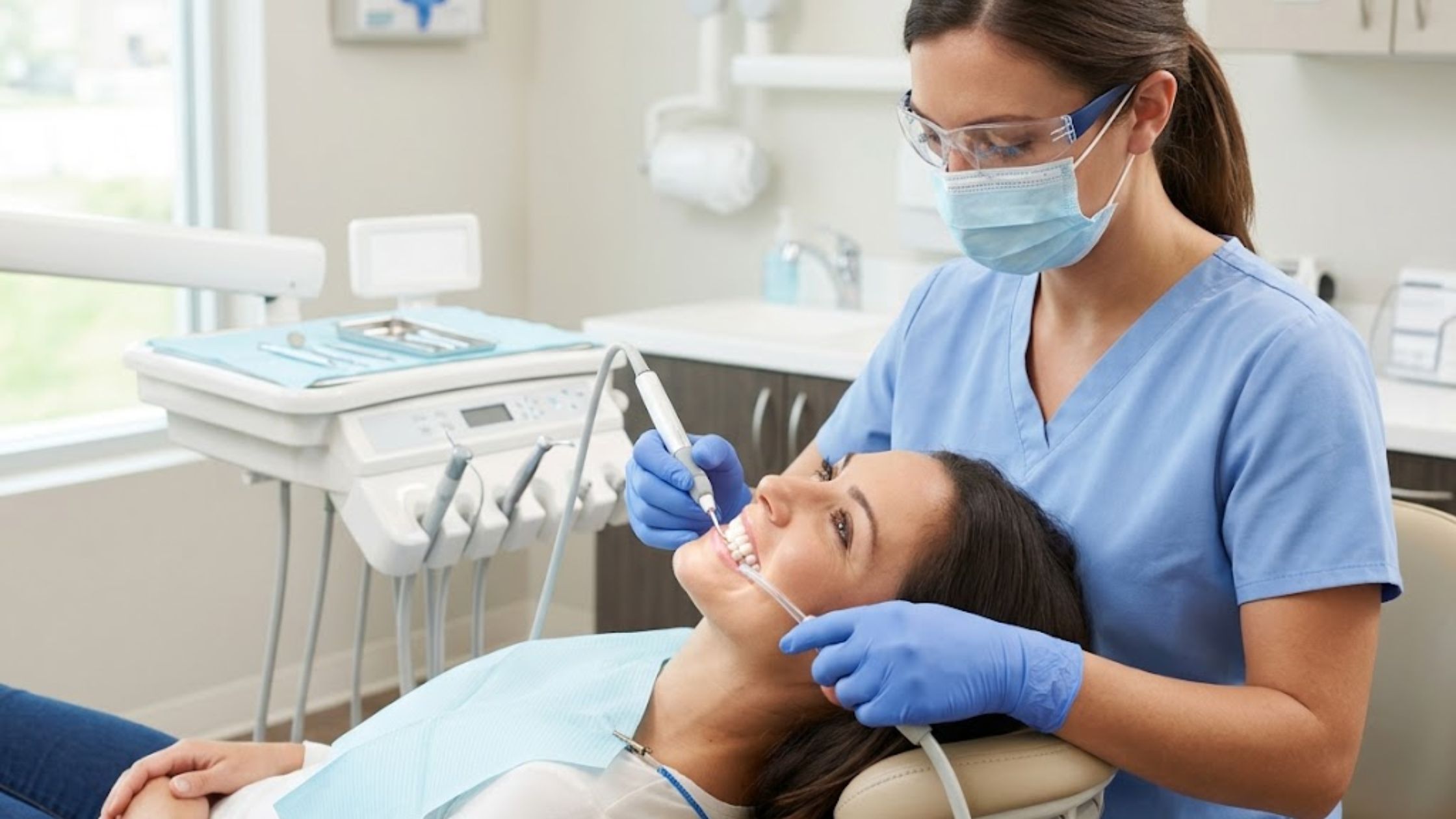
2. Gentle Scaling: Using specialized tools, the hygienist carefully removes plaque and tartar buildup without damaging the veneer surface.
3. Polishing: A non-abrasive polishing paste is applied to enhance the shine of the veneers and remove any surface stains.
4. Fluoride Treatment: A fluoride treatment may be applied to strengthen the enamel of the natural teeth adjacent to the veneers.
These steps clean veneers effectively while minimizing the risk of surface damage.
Role of Dental Hygienists in Protecting Veneers During Cleaning
Dental hygienists play a central role in protecting porcelain veneers. Their training covers the selection of appropriate tools and gentle techniques to avoid scratching. They also provide personalized instructions so you can preserve veneers between visits. This proactive care helps ensure patients leave the clinic with well-maintained restorations.
Which Tools and Techniques Are Safe for Cleaning Porcelain Veneers?
Certain instruments and methods are recommended to clean porcelain veneers safely and effectively.
Use of Ultrasonic Scalers: Guidelines and Safety Measures
Ultrasonic scalers use high-frequency vibrations to remove plaque and tartar without manual scraping. When applied correctly they are safe for porcelain veneers because they reduce the risk of scratching. Dental hygienists follow strict guidelines for power settings and employ a gentle technique to protect the restoration surface.
The role of cavitational activity produced by ultrasonic scalers is supported by studies that examine their effectiveness in the cleaning process.
Ultrasonic Scaler’s Role in Dental Cleaning
The cavitational activity caused by the ultrasonic scaler can aid the cleaning process; this area may merit further research.
Ultrasonic dental scaler: associated hazards, AD Walmsley, 2003
Alternative Hand Scalers and Minimally Abrasive Instruments for Veneer Care
In addition to ultrasonic devices, hygienists may use hand scalers and other minimally abrasive tools to remove debris while being gentle on the veneer surface. Instrument choice is guided by the condition of the veneers and each patient’s specific needs.
How Can Patients Maintain Porcelain Veneers Between Professional Cleanings?
Patients have an active role in preserving porcelain veneers between professional visits. Following clear care guidelines helps maintain both appearance and longevity.
Daily Oral Hygiene Tips for Porcelain Veneer Preservation
To maintain porcelain veneers, patients should adopt the following daily oral hygiene practices:
1. Gentle Brushing: Use a soft-bristled toothbrush and non-abrasive toothpaste to clean the veneers without causing scratches.
2. Flossing: Regular flossing is essential to remove plaque and food particles from between the teeth and around the veneers.
3. Avoiding Harmful Foods: Patients should limit their intake of hard or sticky foods that could potentially damage the veneers.
These daily habits help keep veneers in excellent condition between professional visits.
Recommended Products and Practices for Safe At-Home Care
For at-home care, consider the following products:
1. Non-Abrasive Toothpaste: Choose toothpaste specifically designed for sensitive teeth or porcelain restorations.
2. Soft-Bristled Toothbrush: A soft-bristled toothbrush minimizes the risk of scratching the veneer surface.
3. Alcohol-Free Mouthwash: An alcohol-free mouthwash can help maintain oral hygiene without harming the veneers.
Using these products as part of your routine helps protect porcelain veneers effectively.
How Often Should Porcelain Veneers Be Professionally Cleaned in Kearny?
The frequency of professional cleanings depends on individual needs and overall oral health.
Scheduling Regular Dental Hygiene Appointments for Veneer Maintenance
Most patients with porcelain veneers are advised to schedule professional cleanings every six months. Regular visits allow dental hygienists to monitor the veneers and address concerns early. Consult your dental care provider to determine the best schedule for your situation.
Signs Indicating the Need for Immediate Professional Cleaning
Patients should be alert to signs that may require immediate professional attention, including:
1. Visible Damage: Any chips, cracks, or discoloration on the veneers should prompt a visit to the dental office.
2. Increased Sensitivity: If patients experience heightened sensitivity around the veneers, it may indicate underlying issues that require attention.
3. Gum Inflammation: Signs of gum inflammation or infection around the veneers should be addressed promptly to prevent further complications.
Recognising these signs helps protect both your oral health and the integrity of the veneers.
How Do Dental Practices in Kearny Ensure Patient Comfort and Safety During Veneer Cleaning?
Patient comfort and safety are top priorities for dental practices in Kearny.
Managing Dental Anxiety and Enhancing Patient Experience
To manage dental anxiety, practices employ several strategies:
1. Sedation Options: Offering sedation dentistry options for patients who may feel nervous during procedures.
2. Clear Communication: Providing detailed explanations of the cleaning process to help patients feel more at ease.
3. Calm Environment: Creating a welcoming and calming atmosphere in the dental office to enhance the overall patient experience.
These measures promote a more positive visit and allow patients to focus on maintaining oral health.
Use of Advanced Technology to Improve Cleaning Effectiveness and Comfort
Advances in dental technology—such as digital imaging and advanced ultrasonic scalers—have improved cleaning effectiveness while enhancing patient comfort. These tools enable hygienists to perform thorough, precise cleanings with minimal discomfort.
Frequently Asked Questions
What should I avoid when cleaning my porcelain veneers at home?
Avoid abrasive toothpastes and hard-bristled toothbrushes, which can scratch and dull veneers. Refrain from whitening products containing harsh chemicals, and limit hard or sticky foods that may chip or dislodge restorations. These precautions help preserve veneer integrity and appearance.
Can I use mouthwash with alcohol on my porcelain veneers?
It is best to avoid alcohol-containing mouthwash when you have porcelain veneers. Alcohol can dry gum tissues and cause irritation. Choose an alcohol-free mouthwash to support oral hygiene without risking veneer or tissue damage.
How can I tell if my porcelain veneers need professional cleaning sooner than scheduled?
Seek earlier professional care if you notice visible damage such as chips or cracks, increased sensitivity, or signs of gum inflammation like redness or swelling. Early assessment can prevent more significant problems.
What are the long-term effects of neglecting porcelain veneer maintenance?
Neglecting veneer maintenance can lead to discoloration, reduced shine, surface scratches and, over time, increased risk of gum disease or decay in the underlying teeth. Regular professional cleanings and consistent at-home care help preserve both function and appearance.
Are there specific foods I should avoid to protect my porcelain veneers?
Avoid very hard foods (nuts, hard candies, ice) that can chip veneers and sticky foods (caramel, taffy) that can pull at restorations. Highly pigmented foods and drinks such as red wine, coffee and berries may cause staining over time. A mindful diet supports long-term aesthetics.
What should I do if I experience sensitivity with my porcelain veneers?
If you experience sensitivity, contact your dental professional promptly. Sensitivity may indicate gum recession or issues with the underlying tooth structure. Your dentist will assess the cause and recommend treatments such as desensitising agents or adjustments to the veneers to restore comfort and prevent complications.
Conclusion
Professional cleaning is essential to preserve the beauty and longevity of porcelain veneers. Dental hygienists in Kearny use specialised techniques and modern tools to maintain veneers while protecting oral health. By following recommended at-home care, patients can protect their investment in a confident smile. Schedule your appointment to ensure your veneers receive expert attention.