Temporary veneers, including Porcelain Veneers in Kearny, are a common cosmetic option that improve the look of your smile while you wait for permanent restorations. They can detach for several reasons, including bonding issues, normal wear, or trauma. This guide explains what temporary veneers are, immediate steps to take if one falls off, when to contact an emergency cosmetic dentist, common reattachment methods, ways to manage dental anxiety during an emergency, and available financing options for repair.
What Are Temporary Veneers and Why Do They Fall Off?
Temporary veneers are thin shells made from composite resin or porcelain that cover the front of a tooth to improve appearance while permanent veneers are prepared. They are intended as short-term restorations and typically last from a few weeks to a few months. They may detach for several reasons, which are outlined below.
- Improper Bonding: If the adhesive used to attach the veneer is not applied correctly, it may not hold up under normal wear.
- Wear and Tear: Over time, temporary veneers can become worn down, leading to detachment.
- Trauma: Accidental impacts or excessive force from biting hard foods can dislodge temporary veneers.
Knowing these causes helps you take precautions and reduce the chance of an unexpected detachment.
Provisional restorations, commonly called temporary veneers, serve an important role in fixed prosthodontic treatment by supporting diagnosis and treatment planning. They often require adjustments to match the final prosthetic outcome and must meet standards for fit, strength, and biocompatibility. Provisional restorations in restorative dentistry, AG Heboyan, 2019
Provisional Restorations: Failures & Correction
Provisional restorations — or temporary veneers — play a significant role in fixed prosthodontic rehabilitation when long-term treatment precedes final prosthetics. They aid diagnosis and treatment planning and should resemble the final restorations in shape and function. Interim restorations often need alterations to meet evolving treatment needs, so understanding the properties of base and repair materials is essential to achieve a reliable bond. Interim treatment must meet requirements such as biocompatibility, marginal adaptation, strength, and durability. The purpose of this review is to discuss fabrication techniques for provisional restorations, common failures and complications, and methods for correction.
Provisional restorations in restorative dentistry, AG Heboyan, 2019
What Immediate Steps Should You Take If Your Temporary Veneer Falls Off?
If your temporary veneer comes off, act to protect the tooth and limit complications. The steps below will help you manage the situation until you can see a dentist.
- Stay Calm: Panicking can lead to poor decision-making. Take a deep breath and assess the situation.
- Retrieve the Veneer: If possible, find the fallen veneer. Handle it carefully to avoid damage.
- Clean Your Tooth: Rinse your mouth gently with warm water to clean the area around the tooth.
- Avoid Eating: Refrain from eating until you can reattach the veneer or see a dentist to prevent further damage.
- Contact a Dentist: Call for immediate assistance. They can provide guidance on the next steps and schedule an appointment if necessary.
Following these actions reduces discomfort and protects the tooth until professional care is available.
When and Why Should You Contact an Emergency Cosmetic Dentist in Kearny?
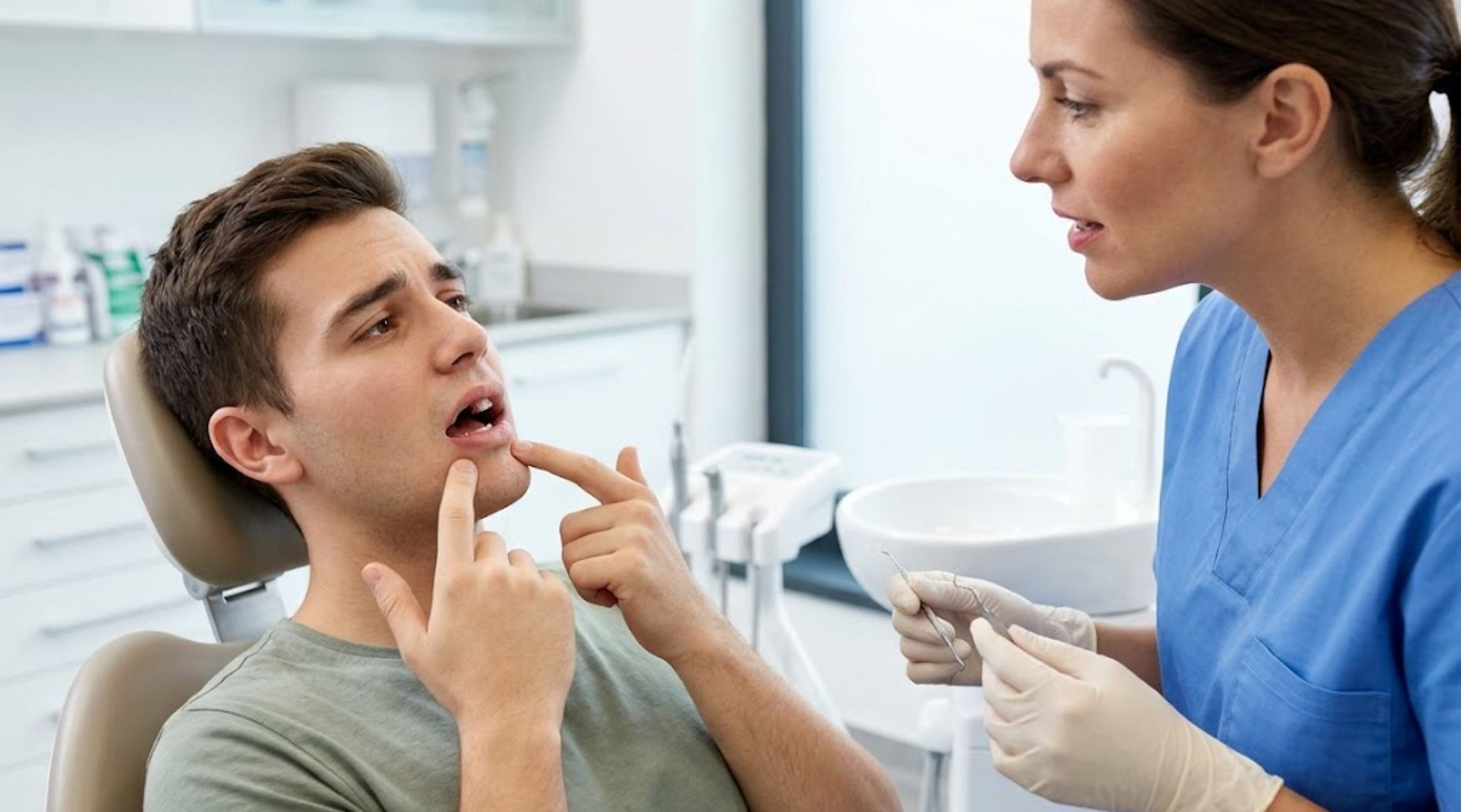
Knowing when to seek professional care helps prevent further damage. Contact an emergency cosmetic dentist if you experience severe pain, see visible damage, or notice signs of infection following veneer loss.
- Severe Pain: If you experience significant pain or discomfort after losing your veneer, it may indicate an underlying issue that needs immediate attention.
- Visible Damage: If your tooth appears damaged or fractured, professional evaluation is necessary to prevent further complications.
- Infection Signs: Symptoms such as swelling, redness, or pus around the tooth may indicate an infection that requires urgent care.
Prompt assessment can prevent more serious problems and help preserve your smile. For emergency assistance, Trovato Family Dentistry is available to help promptly.
What Are the Temporary Veneer Reattachment Techniques Used by Experts?
At your appointment, the dentist will evaluate the tooth and the temporary veneer and use appropriate reattachment techniques. Common methods are listed below.
- Dental Adhesives: Strong bonding agents are used to secure the veneer back onto the tooth. These adhesives are designed to withstand normal chewing forces.
- Temporary Cement: In some cases, a temporary cement may be applied to hold the veneer in place until a more permanent solution can be implemented.
- Re-evaluation of Fit: The dentist may check the fit of the veneer to ensure it aligns correctly with your bite before reattachment.
These approaches aim to restore both function and appearance while protecting the underlying tooth.
| Technique | Description | Expected Outcome |
|---|---|---|
| Dental Adhesives | Strong bonding agents used for reattachment | Secure hold for normal use |
| Temporary Cement | Used for short-term stabilization | Allows for temporary use until permanent solution |
| Re-evaluation of Fit | Ensures proper alignment before reattachment | Optimal comfort and function |
Knowing these methods helps you feel more confident about the reattachment process and the care you will receive.
How to Manage Cosmetic Dental Emergencies and Dental Anxiety Effectively?
A dental emergency can be stressful, especially if you have dental anxiety. The strategies below can help you stay calm and get the care you need.
- Deep Breathing: Practice deep breathing exercises to calm your nerves before and during your dental visit.
- Distraction Techniques: Bring headphones to listen to music or an audiobook while waiting for your appointment.
- Communicate with Your Dentist: Let your dentist know about your anxiety. They can provide reassurance and take steps to make you more comfortable.
Using these techniques can reduce anxiety and allow you to focus on receiving appropriate treatment.
What Financing and Accessibility Options Are Available for Emergency Veneer Repair?
Emergency dental care can be costly, but there are options to help manage expenses. Trovato Family Dentistry offers various financing solutions to make emergency veneer repair more accessible. Options may include:
- Payment Plans: Flexible payment plans that allow you to spread the cost of treatment over time.
- Insurance Assistance: Help with navigating your dental insurance benefits to maximize coverage for emergency procedures.
- Discount Programs: Some practices offer discount programs for patients without insurance, making care more affordable.
Knowing available payment and support options can reduce financial stress and help you get timely treatment.
Frequently Asked Questions
How long do temporary veneers typically last?
Temporary veneers usually last from a few weeks to a few months. Longevity depends on the materials used, your oral hygiene, and how much wear they undergo. Follow your dentist’s care instructions and attend follow-up visits to help ensure they remain serviceable until permanent restorations are ready.
Can I reattach a temporary veneer myself?
Reattaching a temporary veneer at home is not recommended. DIY attempts can cause improper bonding, further damage to the veneer, or harm to the tooth. A dentist has the proper materials and technique to secure the veneer safely and avoid complications.
What should I do if my temporary veneer breaks?
If the veneer breaks, retrieve any pieces if possible and rinse your mouth gently with warm water. Avoid eating until you see a dentist to prevent additional damage. Contact your dentist promptly to schedule an evaluation and reattachment.
Are there any risks associated with temporary veneers?
Yes. Temporary veneers can cause sensitivity to temperature, may detach, and—if not fitted correctly—can risk damage to the underlying tooth. If a detached veneer is not addressed, it may increase the risk of decay or infection.
How can I prevent my temporary veneers from falling off?
Reduce the risk of detachment by maintaining good oral hygiene, avoiding hard or sticky foods, following your dentist’s care instructions, and attending scheduled follow-up appointments so the veneers can be checked and maintained.
What are the signs that I need to replace my temporary veneers?
Replace temporary veneers if you notice visible damage such as cracks or chips, significant wear, looseness, or increased sensitivity and discomfort. Consult your dentist for an evaluation and recommendations for repair or replacement.
Conclusion
Acting promptly after a temporary veneer falls off helps protect your dental health and preserve aesthetics. By following the immediate steps outlined here and seeking professional care when needed, you can manage this common emergency effectively. Trovato Family Dentistry is available to provide expert care and offer financing options to ease the process. Please reach out for assistance and to learn more about available services.