Full mouth dental implants are a transformative solution for individuals seeking to restore their smile and improve their oral function. Understanding the longevity of these implants and the best care practices is essential for ensuring their success. This article will delve into the factors influencing the lifespan of full mouth dental implants, the materials and technology that enhance their durability, and the daily care routines necessary for maintaining them. Additionally, we will explore how Trovato Family Dentistry in Kearny, NJ, supports patients in achieving long-lasting results with their full mouth restorations. By the end of this guide, readers will be equipped with the knowledge to maximize the longevity of their implants and maintain optimal oral health.
What Factors Influence the Lifespan of Full Arch Dental Implants in Kearny?
The lifespan of full arch dental implants is influenced by several critical factors. Primarily, the health of the gums plays a vital role; healthy gums provide a stable foundation for the implants. Additionally, personalized treatment plans tailored to the individual’s needs can significantly enhance outcomes. The quality of care received during the implant procedure and follow-up maintenance also impacts longevity. Regular monitoring and adjustments can prevent complications that may arise over time.
How Do Implant Materials and Technology Affect Longevity?
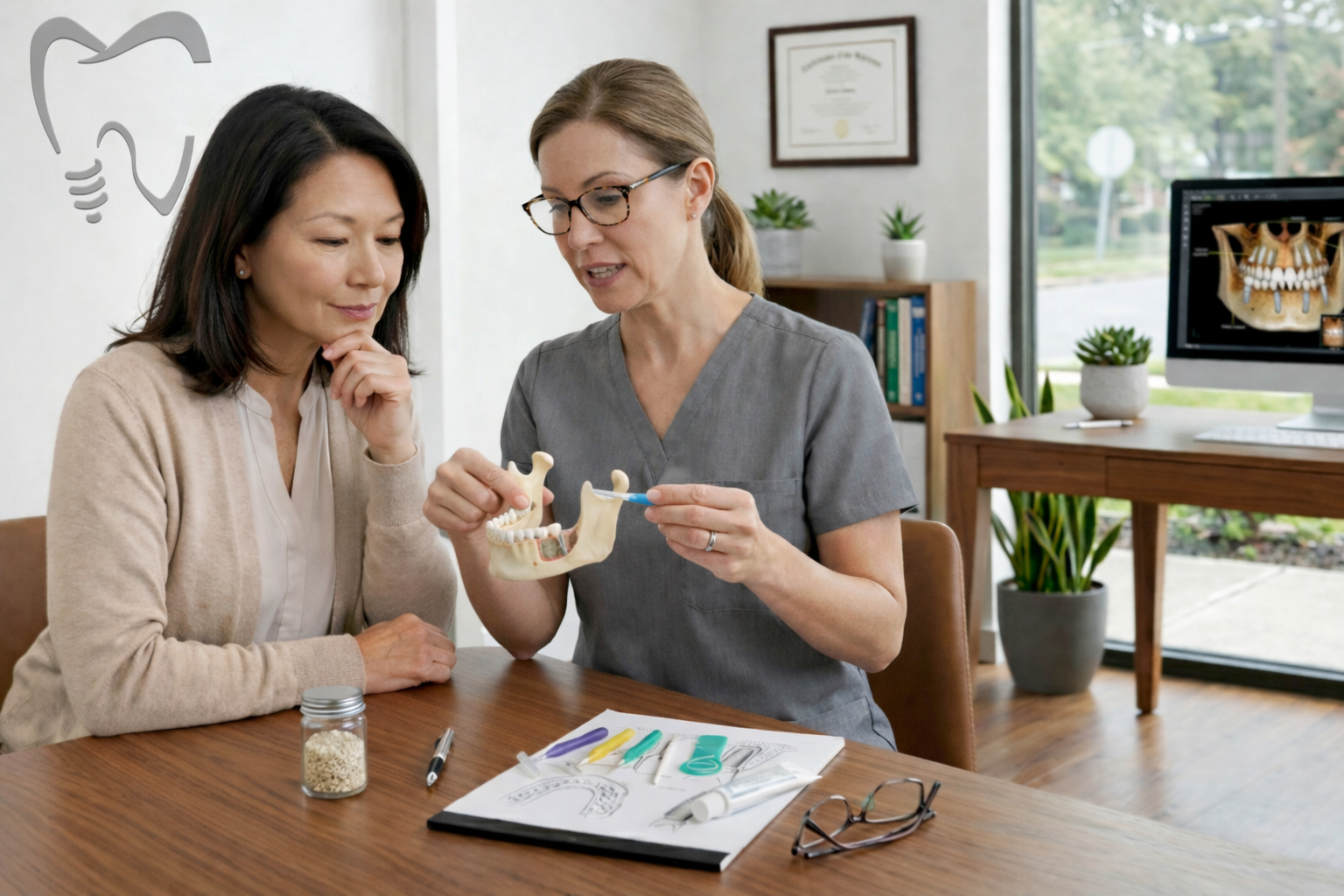
The materials used in dental implants and the technology employed during their placement are crucial for their longevity. Biocompatible materials, such as titanium, are essential as they integrate well with the jawbone, promoting stability. Advanced techniques, including 3D imaging and guided implant placement, improve accuracy and reduce the risk of complications. The use of high-quality materials not only enhances durability but also contributes to the overall success of the implant procedure.
Research consistently highlights the superior long-term success rates associated with titanium dental implants.
Titanium Dental Implants: High Long-Term Success
The use of titanium dental implants has consistently changed the way of rehabilitating patients in modern dentistry and can count on high long-term survival and success rates.
The effect of titanium surface modifications on dental implant osseointegration, M Annunziata, 2015
Further studies emphasize that the success of osseointegration, the process by which the implant fuses with the bone, is significantly influenced by the implant’s composition and surface characteristics.
Titanium Implant Surface Treatments for Osseointegration
osseointegration rate of titanium dental implants is related to their composition and surface roughness. Rough-surfaced implants lead to the rapid biological fixation of implants.
Surface treatments of titanium dental implants for rapid osseointegration, A Soueidan, 2007
What Patient Health and Lifestyle Factors Impact Implant Success?
Several health and lifestyle factors can affect the success of dental implants. Key considerations include:
- Gum Health: Healthy gums are essential for supporting implants.
- Bone Volume: Adequate bone volume is necessary for proper implant placement.
- Systemic Conditions: Conditions such as diabetes can influence healing and implant integration.
Addressing these factors before the procedure can significantly improve the chances of long-term success.
What Are the Essential Daily Care and Maintenance Tips for Full Mouth Implants?
Maintaining full mouth implants requires diligent daily care. Here are essential tips to ensure their longevity:
- Regular Brushing and Flossing: Brush at least twice a day and floss daily to remove plaque and food particles.
- Routine Dental Check-ups: Schedule regular visits to your dentist for professional cleanings and assessments.
- Managing Gum Health: Pay attention to any signs of gum inflammation or discomfort and address them promptly.
For those seeking comprehensive dental care, Trovato Family Dentistry offers advanced full mouth dental implant solutions tailored to individual needs.
| Care Routine | Frequency | Importance |
|---|---|---|
|
Brushing |
Twice daily | Prevents plaque buildup |
|
Flossing |
Daily |
Reduces gum disease risk |
| Dental Check-ups | Every 6 months |
Early detection of issues |
These practices are vital for preventing complications and ensuring the long-term success of your implants.
Which Oral Hygiene Practices Prevent Implant Failure?
Effective oral hygiene practices are crucial in preventing implant failure. Key practices include:
- Daily Brushing and Flossing: Essential for maintaining oral hygiene and preventing plaque accumulation.
- Routine Dental Check-ups: Regular visits help monitor the health of the implants and surrounding tissues.
- Addressing Gum Disease Promptly: Early intervention can prevent further complications that may jeopardize implant stability.
By adhering to these practices, patients can significantly reduce the risk of implant failure.
Beyond daily hygiene, preventing bacterial contamination during the implant procedure itself is a critical factor in avoiding implant failure.
Antibiotic Prophylaxis for Dental Implant Success
Some dental implant failures may be due to bacterial contamination at implant insertion. Infections around biomaterials are difficult to treat and almost all infected implants have to be removed. To minimise infections after dental implant placement various prophylactic systemic antibiotic regimens have been suggested.
Interventions for replacing missing teeth: antibiotics at dental implant placement to prevent complications, 1996
How Can Patients Manage Implant Care with Dental Anxiety?
Managing dental anxiety is essential for patients undergoing implant care. Strategies to alleviate anxiety include:
- Sedation Options: Discussing sedation options with your dentist can help ease fears during procedures.
- Techniques to Alleviate Anxiety: Breathing exercises and mindfulness can be beneficial.
- Open Communication: Discussing concerns with the dentist can help tailor the experience to the patient’s comfort level.
These approaches can make dental visits more manageable and less stressful.
How Often Should You Schedule Professional Checkups and Cleanings for Full Mouth Implants?
Regular professional checkups and cleanings are vital for maintaining the health of full mouth implants. It is generally recommended to schedule these appointments every six months. During these visits, the dentist can monitor gum health, assess the condition of the implants, and catch any potential issues early. This proactive approach is essential for ensuring the longevity of the implants and overall oral health.
What Does Professional Implant Maintenance Involve?
Professional implant maintenance involves several key steps:
- Consultation and Planning: Initial assessments to determine the health of the implants and surrounding tissues.
- Procedure Details: Cleaning and polishing the implants to remove any plaque or tartar buildup.
- Follow-up Appointments: Regular follow-ups to monitor the health of the implants and make necessary adjustments.
These maintenance procedures are crucial for the long-term success of dental implants.
How Do Regular Checkups Detect Early Signs of Implant Problems?
Regular checkups are essential for detecting early signs of implant problems. During these visits, dentists assess the health of the gums and jawbone, looking for indicators such as:
- Signs of Gum Disease: Inflammation or bleeding can signal potential issues.
- Integration of Implants: Monitoring how well the implants are integrating with the bone is crucial for long-term success.
Early detection of these issues allows for timely intervention, which can prevent more serious complications.
What Are the Common Signs of Full Mouth Implant Failure and How Should You Respond?
Recognizing the signs of implant failure is crucial for timely intervention. Common signs include:
- Increased Swelling: Swelling around the implant site may indicate infection.
- Persistent Pain: Ongoing discomfort that does not subside may signal a problem.
- Discharge of Pus: Any discharge from the implant site should be addressed immediately.
If any of these symptoms occur, it is essential to contact your dentist promptly for evaluation and treatment.
When Should You Contact Your Kearny Dentist About Implant Concerns?
Patients should reach out to their dentist in Kearny for various concerns, including:
- Questions About Candidacy: Inquiries regarding suitability for implants.
- Concerns About Costs: Discussing financial aspects related to implant procedures.
- Issues Related to Implants: Any discomfort or unusual symptoms should be addressed without delay.
For assistance, patients can contact Trovato Family Dentistry at (551) 314-6039 or (201) 991-0177.
How Does Trovato Family Dentistry Ensure Long-Term Success of Full Mouth Restorations in Kearny?
Trovato Family Dentistry employs several strategies to ensure the long-term success of full mouth restorations:
- Personalized Treatment Plans: Tailoring approaches to meet individual patient needs enhances outcomes.
- Use of Advanced Technology: Incorporating the latest technology in implant procedures improves precision and success rates.
- Focus on Long-Term Health: Emphasizing ongoing care and maintenance helps sustain implant health over time.
These measures contribute to the overall effectiveness of full mouth dental implants.
What Advanced Technologies Support Implant Durability?
Advanced technologies play a significant role in enhancing the durability of dental implants. Techniques such as:
- 3D Imaging: Provides detailed views of the jaw structure, aiding in precise implant placement.
- Guided Implant Placement: Ensures accurate positioning, reducing the risk of complications.
- High-Quality Materials: The use of superior materials enhances the strength and longevity of the implants.
These innovations are essential for achieving successful outcomes in dental implant procedures.
How Does Personalized Care Enhance Implant Outcomes?
Personalized care significantly enhances the outcomes of dental implants. By tailoring treatment plans to individual needs, dentists can:
- Minimize Risks: Address specific health concerns that may affect implant success.
- Optimize Health Before Implants: Ensuring patients are in optimal health prior to the procedure can improve healing and integration.
This individualized approach is crucial for achieving the best possible results.
What Financing Options Make Full Mouth Dental Implants Accessible in Kearny, NJ?
Financing options are available to make full mouth dental implants more accessible. Patients can explore:
- Flexible Payment Methods: Various payment plans can accommodate different budgets.
- Third-Party Financing Options: Financing companies may offer plans that allow for manageable monthly payments.
- Pre-Qualification Without Credit Impact: Many financing options allow patients to check eligibility without affecting their credit score.
These options help ensure that patients can receive the care they need without financial strain.
Which Payment Plans and Insurance Options Are Available?
Trovato Family Dentistry offers several payment plans and insurance options to assist patients. Key features include:
- Flexible Payment Plans: Tailored to fit individual financial situations.
- Partnerships with Financing Companies: Collaborations that provide additional financing solutions.
- Insurance Coverage Options: Patients are encouraged to check with their insurance providers to understand coverage for dental implants.
These resources are designed to make dental care more accessible.
How Can Patients Maximize Value While Ensuring Quality Care?
To maximize value while ensuring quality care, patients should consider the following strategies:
- Schedule a Consultation: Discussing options with a dentist can clarify the best approach for individual needs.
- Explore Financing Options: Understanding available financial resources can ease the burden of costs.
- Commit to Regular Visits: Maintaining consistent dental check-ups is essential for long-term success.
By following these strategies, patients can achieve optimal results from their dental implant procedures.