Full mouth dental implants offer a transformative solution for individuals seeking to restore their smiles and improve their quality of life. This comprehensive guide will explore the essential criteria for determining candidacy for full mouth dental implants, focusing on factors such as bone density, health conditions, and oral health status. Many potential candidates may feel uncertain about their eligibility due to various health concerns or misconceptions about the procedure. By understanding the requirements and processes involved, individuals can make informed decisions about their dental health. This article will cover key aspects, including bone density requirements, health factors affecting eligibility, the implant procedure, recovery management, and financing options available at Trovato Family Dentistry.
What Are the Key Bone Density Requirements for Full Arch Dental Implants in Kearny?
Bone density is a critical factor in determining candidacy for full arch dental implants. Adequate bone density ensures that the implants can be securely anchored, providing stability and longevity. Insufficient bone density can lead to complications, such as implant failure or the need for additional procedures like bone grafting. The ideal candidate typically has sufficient bone volume and density to support the titanium posts that serve as the foundation for the implants.
|
Bone Density Requirement |
Description | Importance |
|---|---|---|
|
Sufficient Volume |
Adequate bone mass to support implants | Ensures stability and longevity |
| Quality of Bone | Dense, healthy bone tissue |
Reduces risk of implant failure |
| Assessment Techniques | Imaging and clinical evaluation |
Determines candidacy accurately |
Understanding these requirements is essential for potential candidates. If bone density is inadequate, options such as bone grafting may be explored to enhance the jawbone’s structure, making it suitable for implants.
How Is Bone Density Assessed for Dental Implant Candidacy?
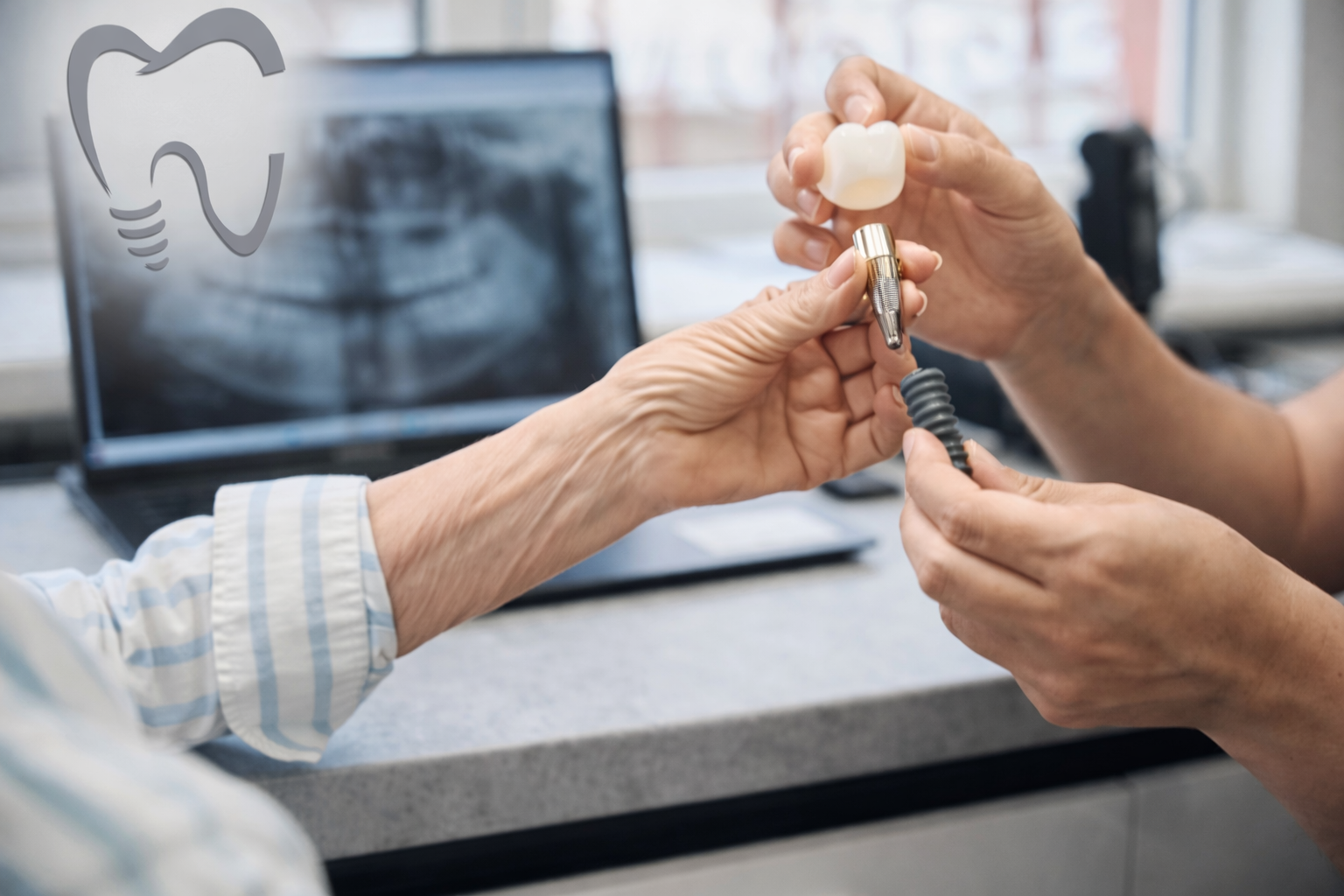
Assessing bone density for dental implant candidacy involves several advanced imaging techniques. Dentists typically use methods such as panoramic X-rays, cone beam computed tomography (CBCT), and clinical evaluations to determine the quality and quantity of bone available. Accurate assessment is crucial, as it informs the treatment plan and helps identify whether additional procedures, like bone grafting, are necessary.
What Imaging Techniques Are Used?
- Panoramic X-rays: Provide a broad view of the jaw and teeth, helping to identify bone structure.
- Cone Beam CT: Offers detailed 3D images of the jawbone, allowing for precise measurements of bone density.
- Clinical Evaluation: Involves physical examination and assessment of oral health to gauge overall suitability for implants.
These assessment methods ensure that candidates receive a thorough evaluation, leading to successful implant outcomes.
When Is Bone Grafting Recommended to Meet Implant Requirements?
Bone grafting is often recommended when a patient does not have sufficient bone density to support dental implants. This procedure involves transplanting bone tissue to augment the existing bone structure, creating a stable foundation for the implants. The decision to proceed with bone grafting is based on the results of the bone density assessment and the specific needs of the patient.
Further emphasizing the critical role of bone quality and the versatility of grafting procedures, a recent study highlights various approaches to overcome bone deficiencies for successful implant placement.
Bone Quality & Grafting for Dental Implant Success
Bone quality, volume, height and width all play a pivotal role in dental implant stability, success and survival. A lack of adequate bone can be overcome with various bone grafting procedures. Dependent on many factors, including the amount of bone required, the site of implant placement, patient preferences and clinician factors; the type of bone grafting material and procedure undertaken can vary. Supplemental bone can be sourced from a variety of sources, including autogenous, allogenous and xenograft bone. Dependent on the source of the bone, it will have different properties in aiding bone formation, as well as being presented in different formulations, such as bone particles or bone blocks.
Bone grafting techniques and materials for implant dentistry, S Khalid, 2023
Indications for Bone Grafting
- Insufficient Bone Volume: When the jawbone lacks the necessary height or width.
- Bone Resorption: Occurs after tooth loss, leading to diminished bone density.
- Previous Dental Procedures: May have compromised bone structure.
Bone grafting can significantly enhance the chances of successful implant placement, allowing more patients to benefit from full mouth dental implants.
Which Health Factors Affect Eligibility for Full Mouth Dental Implants in Kearny, NJ?
Several health factors can influence a patient’s eligibility for full mouth dental implants. These include overall health, gum health, and the presence of chronic conditions. Understanding these factors is essential for potential candidates to assess their suitability for the procedure.
Key Health Considerations
- Gum Health: Healthy gums are crucial for supporting implants. Patients with gum disease may need treatment before proceeding.
- Chronic Conditions: Conditions such as diabetes can affect healing and implant success. Proper management of these conditions is vital.
- Medications: Certain medications may impact bone healing and overall oral health, necessitating a thorough review by the dental team.
By addressing these health factors, patients can better understand their candidacy for full mouth dental implants.
How Do Chronic Conditions Like Diabetes Influence Implant Success?
Chronic conditions, particularly diabetes, can significantly influence the success of dental implants. Diabetes affects the body’s ability to heal and can lead to complications during and after the implant procedure. Proper management of diabetes is essential for ensuring successful outcomes.
Impact of Diabetes on Implant Success
- Healing Complications: Elevated blood sugar levels can slow down the healing process, increasing the risk of infection.
- Bone Quality: Diabetes may affect bone density, impacting the stability of the implants.
- Regular Monitoring: Patients with diabetes should work closely with their healthcare providers to manage their condition before and after the procedure.
Understanding these implications allows patients to take proactive steps in managing their health and improving their chances of successful implant placement.
What Oral Health Conditions Impact Implant Candidacy Criteria?
Oral health conditions play a significant role in determining candidacy for full mouth dental implants. Conditions such as gum disease, tooth decay, and oral infections can hinder the success of the procedure.
Common Oral Health Conditions
- Gum Disease: Inflammation and infection of the gums can compromise the stability of implants.
- Tooth Decay: Active decay may indicate underlying health issues that need to be addressed before implant placement.
- Oral Infections: Any existing infections must be treated to prevent complications during the healing process.
Addressing these oral health conditions is crucial for ensuring a successful outcome with dental implants.
What Does the Full Mouth Implant Procedure in Kearny Involve?
The full mouth implant procedure is a comprehensive treatment that involves several steps to ensure successful placement and integration of the implants. This process typically begins with a thorough evaluation and treatment planning, followed by the surgical placement of the implants.
Overview of the Surgical Process
- Consultation and Planning: Initial assessments and imaging to create a personalized treatment plan.
- Implant Placement: Surgical insertion of titanium posts into the jawbone.
- Healing Period: Time for the implants to integrate with the bone, typically lasting several months.
This structured approach ensures that patients receive the highest level of care throughout their treatment journey.
What Are the Steps of the Implant Surgery and Placement Process?
The implant surgery and placement process involves several critical steps to ensure the success of the procedure. Each step is designed to maximize the chances of successful integration and long-term stability of the implants.
Key Steps in the Process
- Initial Consultation: Comprehensive evaluation of oral health and bone density.
- Surgical Procedure: Placement of implants under local anesthesia or sedation.
- Follow-Up Care: Regular check-ups to monitor healing and integration.
These steps are essential for achieving optimal results and ensuring patient satisfaction.
How Does Advanced Technology Enhance Implant Outcomes?
Advanced technology plays a crucial role in enhancing the outcomes of dental implant procedures. Innovations in imaging, surgical techniques, and materials have significantly improved the precision and success rates of implants.
Technological Advancements
- Digital Imaging: Provides detailed 3D views of the jaw, aiding in precise planning and placement.
- Computer-Guided Surgery: Allows for more accurate implant placement, reducing the risk of complications.
- Biocompatible Materials: Use of advanced materials that promote better integration with the bone.
These technological advancements contribute to improved patient experiences and outcomes in dental implant procedures.
How Is Recovery Managed After Full Mouth Dental Implants in Kearny?
Recovery after full mouth dental implants is a critical phase that requires careful management to ensure successful healing. Patients must follow specific guidelines to promote optimal recovery and minimize complications.
Expected Recovery Timeline
- Initial Healing: The first few days involve swelling and discomfort, manageable with prescribed medications.
- Integration Period: Full integration of implants typically takes 3-6 months, during which regular follow-ups are essential.
- Long-Term Care: Ongoing oral hygiene and regular dental visits are crucial for maintaining implant health.
By adhering to these recovery guidelines, patients can enhance their healing process and ensure the longevity of their implants.
What Is the Typical Recovery Timeline and Patient Experience?
The recovery timeline for full mouth dental implants varies among individuals but generally follows a predictable pattern. Understanding this timeline helps patients prepare for their post-operative experience.
Recovery Phases
- Immediate Post-Operative Phase: Initial discomfort and swelling, typically subsiding within a week.
- Integration Phase: Lasts several months as the implants fuse with the bone.
- Final Restoration: Once healing is complete, the final prosthetic teeth are placed.
Patients can expect a gradual return to normal activities, with ongoing support from their dental team throughout the recovery process.
Which Post-Operative Care Practices Support Successful Healing?
Post-operative care is vital for ensuring successful healing after full mouth dental implants. Patients should follow specific practices to promote recovery and minimize the risk of complications.
Essential Post-Operative Care Practices
- Rest and Recovery: Allowing time for the body to heal is crucial.
- Dietary Recommendations: Soft foods are recommended initially to avoid stress on the implants.
- Oral Hygiene: Maintaining proper oral hygiene is essential for preventing infections.
By adhering to these practices, patients can support their healing process and enhance the success of their implants.
How Does Trovato Family Dentistry Address Dental Anxiety During Implant Treatment?
Dental anxiety is a common concern for many patients undergoing implant treatment. Trovato Family Dentistry employs various strategies to create a comfortable and supportive environment for patients.
Techniques for Managing Dental Anxiety
- Sedation Options: Various sedation methods are available to help patients relax during procedures.
- Personalized Care Approach: The dental team takes time to understand each patient’s concerns and preferences.
- Communication Strategies: Clear communication about the procedure helps alleviate fears and build trust.
These techniques ensure that patients feel supported and comfortable throughout their treatment journey.
What Techniques Are Used to Create a Patient-Friendly Environment?
Creating a patient-friendly environment is essential for enhancing the overall experience at Trovato Family Dentistry. The practice employs several techniques to ensure comfort and satisfaction.
Key Techniques for a Welcoming Environment
- Compassionate Staff: A dedicated team that prioritizes patient comfort and care.
- Advanced Techniques: Use of modern technology to streamline procedures and reduce discomfort.
- Personalized Care: Tailoring treatment plans to meet individual patient needs and preferences.
These efforts contribute to a positive experience for patients seeking dental implants.
How Can Patients Prepare Mentally for Implant Procedures?
Mental preparation is an important aspect of the dental implant process. Patients can take specific steps to alleviate anxiety and ensure a positive experience.
Mental Preparation Tips
- Understanding the Procedure: Educating oneself about the process can reduce fear of the unknown.
- Relaxation Techniques: Practicing mindfulness or deep breathing exercises can help manage anxiety.
- Support Systems: Involving family or friends for emotional support during the process can be beneficial.
By preparing mentally, patients can approach their implant procedures with confidence and peace of mind.
What Are the Cost and Financing Options for Full Mouth Implants in Kearny, NJ?
Understanding the cost and financing options for full mouth implants is crucial for potential candidates. Trovato Family Dentistry offers various payment plans to make treatment accessible.
Overview of Costs Involved
The cost of full mouth dental implants can vary based on several factors, including the number of implants needed, the complexity of the case, and any additional procedures required. Patients are encouraged to discuss their specific needs during the consultation to receive a detailed estimate.
Which Payment Plans and Insurance Options Are Available?
Trovato Family Dentistry provides flexible payment plans and works with various insurance providers to help patients manage the costs associated with full mouth implants.
Available Options
- Flexible Payment Plans: Customized plans to fit individual budgets.
- Insurance Partnerships: Collaboration with multiple insurance companies to maximize coverage.
- Financing Through Third-Party Providers: Options for patients seeking additional financial assistance.
These options ensure that patients can access the care they need without financial strain.
How Does Trovato Family Dentistry Ensure Treatment Accessibility?
Trovato Family Dentistry is committed to ensuring that all patients have access to the dental care they need, including full mouth implants. The practice employs several strategies to enhance treatment accessibility.
Commitment to Patient Care
- Flexible Financing Options: Offering various payment plans to accommodate different financial situations.
- Insurance Acceptance: Working with a range of insurance providers to facilitate coverage.
- Patient-Centric Approach: Prioritizing patient needs and preferences in treatment planning.
These efforts reflect Trovato Family Dentistry’s dedication to providing high-quality, accessible dental care for all patients.