Dental implants have revolutionized the way we approach tooth replacement, offering patients a chance to regain their smiles and functionality. Among the various options available, All-on-4 and traditional full mouth dental implants stand out as popular choices. This article will delve into the differences between these two methods, helping you understand their unique benefits and procedures. Many individuals face challenges with missing teeth, leading to discomfort and self-esteem issues. Both All-on-4 and traditional implants provide solutions, but they do so in different ways. We will explore the mechanics of each method, their advantages, and considerations regarding costs and recovery.
What Are All-on-4 Dental Implants and Their Benefits?
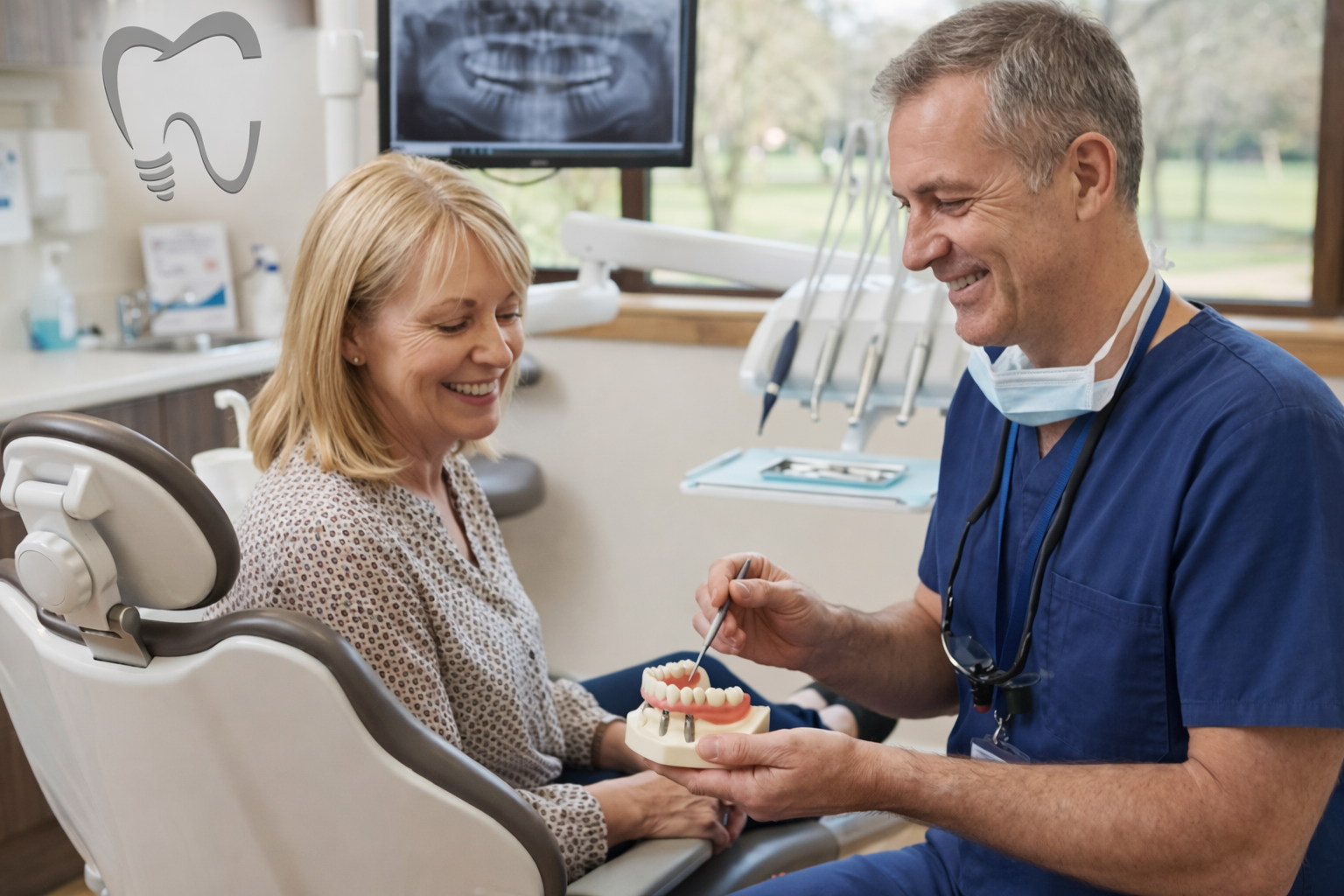
All-on-4 dental implants are a modern solution for patients requiring a full arch of teeth. This innovative technique involves placing four strategically positioned implants in the jawbone, which serve as a foundation for a complete set of prosthetic teeth. The primary benefit of All-on-4 implants is their ability to provide immediate results, allowing patients to leave the dental office with a new smile in just one day. This method also minimizes the need for bone grafting, making it a less invasive option for many patients.
For those considering All-on-4 implants, Trovato Family Dentistry specializes in this advanced procedure, ensuring a seamless experience from consultation to post-operative care. Their expertise in comprehensive dental care, including advanced implant dentistry solutions, makes them a trusted choice for patients in Kearny, NJ.
How Does the All-on-4 Procedure Work?
The All-on-4 procedure begins with a thorough consultation, where the dentist evaluates the patient’s oral health and discusses their goals. After planning, the procedure involves the following steps:
- Implant Placement: Four implants are surgically placed into the jawbone at specific angles to maximize stability.
- Temporary Prosthesis: A temporary set of teeth is attached to the implants, allowing patients to function normally while healing.
- Healing Period: Over the next few months, the implants integrate with the bone, providing a solid foundation for the final prosthesis.
- Final Restoration: Once healing is complete, a permanent set of teeth is crafted and secured to the implants.
Research further supports the efficacy and timeline of immediate loading for All-on-4 procedures.
All-on-4 Immediate Loading for Full-Arch Mandibular Prostheses
To evaluate the outcome of immediately loaded mandibular cross-arch prostheses according to the ‘all-on-4’ concept supported by implants placed in fresh extraction sockets up to 18 months after loading. In total, 47 patients with a mean age = 62.3 years (range 52 to 78) were rehabilitated with an immediately loaded fixed cross-arch prosthesis supported by four post-extractive implants. A total of 188 implants were inserted. Patients received a provisional fixed dental prosthesis with a metal framework within 48 hours after surgery and a permanent one 6 months later.
Immediate loading of four (all-on-4) post-extractive implants supporting mandibular cross-arch fixed prostheses: 18-month follow-up from a multicentre …, 2012
This streamlined process is designed to enhance patient comfort and reduce the overall treatment time.
What Are the Advantages of All-on-4 Implants for Patients?
All-on-4 implants offer several advantages that make them an appealing choice for many patients:
- Immediate Results: Patients can enjoy a new smile within a day, significantly improving their quality of life.
- Reduced Need for Bone Grafting: The unique placement of the implants often eliminates the need for additional procedures, making it less invasive.
- Cost-Effective: By using fewer implants, All-on-4 can be a more affordable option compared to traditional methods.
Studies have further investigated the long-term outcomes of both immediate and delayed loading protocols for All-on-4 treatments.
All-on-4 Implant Loading: Immediate vs. Delayed Outcomes
The purpose of this study was to compare the outcomes of immediate and delayed rehabilitation of edentulous jaws by means of two straight and two tilted implants after one year of function. Thirty consecutive patients (16 males, 14 females) were enrolled in this study. Two anterior straight and two posterior tilted implants were placed in each patient. According to the implant insertion torque and the need for bone grafting, implants were loaded immediately (at 72 hours) or delayed (after four months) using a fixed metal resin prosthesis.
Effects of immediate and delayed loading on the outcomes of all-on-4 treatment: a prospective study, S Akbari, 2016
These benefits highlight why many individuals opt for All-on-4 implants as a solution for full arch restoration. If you’re considering this option, Trovato Family Dentistry offers free consultations to discuss your specific needs and how All-on-4 can work for you.
How Do Traditional Full Mouth Dental Implants Differ?
Traditional full mouth dental implants involve placing multiple implants—typically six to eight—across the jaw to support a complete set of prosthetic teeth. This method requires a more extensive surgical procedure and a longer healing time compared to All-on-4 implants.
The key differences include:
- Number of Implants: Traditional methods require more implants, which can increase the complexity of the procedure.
- Healing Time: Patients may need several months for the implants to integrate fully before receiving their final prosthesis.
- Bone Grafting: Many patients may require bone grafting to ensure sufficient bone density for implant placement.
Understanding these differences is crucial for patients when deciding which option best suits their needs.
What Is the Traditional Dental Implants Procedure?
The traditional dental implant procedure involves several steps:
- Initial Consultation: A comprehensive evaluation of the patient’s dental health and bone structure.
- Implant Placement: Multiple implants are surgically inserted into the jawbone.
- Healing Period: A waiting period of several months is necessary for the implants to fuse with the bone.
- Abutment Placement: Once healed, abutments are attached to the implants to hold the prosthetic teeth.
- Final Prosthesis: The final set of teeth is crafted and secured to the abutments.
Further research provides insights into the long-term success rates of different materials used for full-arch implant prostheses.
Full-Arch Implant Prostheses: Zirconia vs. Metal-Acrylic Outcomes
A recent retrospective analysis directly comparing four types of full-arch restorations (including zirconia-based and metal-acrylic fixed dental prostheses) found that the total failure of the prosthesis along with the dental implants from which recovery was not possible was 1.5% for zirconia-based and 2.3% for metal-acrylic prostheses after a mean follow-up of 5 years.
Long-term Clinical Outcomes and Cost-Effectiveness of Full-Arch Implant-Supported Zirconia-Based and Metal-Acrylic Fixed Dental Prostheses: A Retrospective …, S Barootchi, 2020
This method, while effective, requires a more extended commitment from the patient.
What Are the Recovery and Aftercare Expectations for Traditional Implants?
Recovery from traditional dental implants can vary based on individual health and the extent of the procedure. Generally, patients can expect:
- Initial Healing: The first few days may involve swelling and discomfort, manageable with prescribed pain relief.
- Follow-Up Appointments: Regular check-ups are necessary to monitor healing and ensure proper integration of the implants.
- At-Home Care: Patients should maintain good oral hygiene and follow dietary recommendations during the healing phase.
Understanding these expectations can help patients prepare for their recovery journey.
What Are the Cost Considerations and Financing Options in Kearny?
When considering dental implants, cost is a significant factor. The price of All-on-4 implants typically ranges from $20,000 to $28,000, while traditional full mouth implants can cost between $30,000 and $50,000.
Trovato Family Dentistry offers various financing options to help make these procedures more accessible. Patients can explore payment plans and insurance coverage to find a solution that fits their budget.
| Procedure Type | Average Cost Range | Financing Options |
| All-on-4 Implants | $20,000 – $28,000 | Payment plans available |
| Traditional Implants | $30,000 – $50,000 | Insurance acceptance |
This table illustrates the cost differences and available financing options for patients in Kearny.
How Does the Cost of All-on-4 Implants Compare to Traditional Implants?
The cost of All-on-4 implants is generally lower than that of traditional full mouth implants due to the reduced number of implants required. Additionally, the shorter treatment time can lead to lower overall costs, including fewer visits and less time off work.
Patients should consider both the financial and time investments when choosing between these two options. Trovato Family Dentistry is committed to providing transparent pricing and financing solutions to help patients make informed decisions.
What Financing Solutions Does Trovato Family Dentistry Offer?
Trovato Family Dentistry understands that dental procedures can be a significant investment. They offer several financing solutions, including:
- Flexible Payment Plans: Tailored to fit individual budgets and needs.
- Insurance Coordination: Assistance in navigating insurance benefits to maximize coverage.
- Special Promotions: Periodic offers that can reduce the overall cost of treatment.
These options aim to make dental care more accessible for all patients.
How Does Trovato Family Dentistry Address Dental Anxiety and Patient Care?
Dental anxiety is a common concern for many patients, especially when undergoing procedures like implants. Trovato Family Dentistry prioritizes patient comfort by creating a welcoming environment and offering personalized care.
They employ various strategies to help manage anxiety, including:
- Sedation Options: Various sedation methods to ensure a comfortable experience.
- Patient-Centered Care: A focus on understanding individual patient needs and concerns.
- Welcoming Atmosphere: A friendly staff dedicated to making each visit as pleasant as possible.
These approaches help alleviate fears and promote a positive dental experience.
What Strategies Are Used to Manage Dental Anxiety During Implant Procedures?
Managing dental anxiety is crucial for successful treatment. Trovato Family Dentistry utilizes several strategies, such as:
- Customized Sedation: Tailored sedation options based on patient preferences and anxiety levels.
- Relaxation Techniques: Techniques such as guided imagery and deep breathing exercises to help patients feel more at ease.
- Thorough Communication: Providing detailed explanations of procedures to reduce uncertainty and fear.
These strategies contribute to a more relaxed and positive experience for patients undergoing implant procedures.
How Does Advanced Technology Enhance Treatment Outcomes?
Advanced technology plays a vital role in improving dental implant procedures. Trovato Family Dentistry utilizes state-of-the-art equipment and techniques, including:
- Digital Imaging: Enhanced imaging for precise planning and placement of implants.
- CAD/CAM Systems: Computer-aided design and manufacturing for custom prosthetics that fit perfectly.
- Laser Dentistry: Minimally invasive techniques that promote faster healing and reduce discomfort.
These technological advancements not only enhance treatment outcomes but also improve the overall patient experience.
Frequently Asked Questions
What is the typical lifespan of dental implants?
The lifespan of dental implants can vary based on several factors, including the patient’s oral hygiene, lifestyle, and the quality of the implant itself. Generally, with proper care, dental implants can last 10 to 15 years or even longer. Regular dental check-ups and good oral hygiene practices, such as brushing and flossing, are crucial for maintaining the health of both the implants and surrounding gums. Some patients have reported implants lasting over 20 years, highlighting the importance of ongoing care and maintenance.
Are there any dietary restrictions after getting dental implants?
After receiving dental implants, patients are typically advised to follow a soft food diet for the initial healing period, which can last several days to weeks. Foods that are hard, crunchy, or sticky should be avoided to prevent any strain on the implants. Once the healing process is well underway and the dentist gives the go-ahead, patients can gradually reintroduce a normal diet. It’s essential to maintain good oral hygiene and follow any specific dietary recommendations provided by the dental professional to ensure optimal healing.
Can anyone get dental implants, or are there specific requirements?
While dental implants are a viable option for many, certain criteria must be met for a successful procedure. Candidates should have sufficient bone density to support the implants, healthy gums, and a commitment to maintaining oral hygiene. Individuals with chronic conditions such as uncontrolled diabetes or those who smoke may face additional risks and should consult with their dentist to evaluate their suitability. A thorough evaluation during the initial consultation will help determine if dental implants are the right choice for each patient.
What are the risks associated with dental implant surgery?
As with any surgical procedure, dental implant surgery carries some risks. Potential complications include infection at the implant site, nerve damage, sinus issues (for upper jaw implants), and implant failure due to insufficient bone integration. However, these risks are relatively low when the procedure is performed by an experienced dental professional. Patients can minimize risks by following pre- and post-operative care instructions and attending regular follow-up appointments to monitor healing and implant stability.
How do I choose between All-on-4 and traditional implants?
Choosing between All-on-4 and traditional implants depends on various factors, including your dental health, budget, and personal preferences. All-on-4 is often recommended for patients needing a full arch replacement with a quicker recovery time and fewer implants. In contrast, traditional implants may be more suitable for those with sufficient bone density and who prefer a more gradual approach. Consulting with a dental professional can help you weigh the pros and cons of each option based on your specific needs and circumstances.
What should I expect during the healing process after implant surgery?
The healing process after dental implant surgery varies by individual but generally involves a few key stages. Initially, patients may experience swelling, discomfort, and minor bleeding, which can be managed with prescribed pain relief. Over the next few weeks, the implants will begin to integrate with the jawbone, a process known as osseointegration. Regular follow-up appointments are essential to monitor healing and ensure that the implants are stable. Patients should adhere to oral hygiene practices and dietary recommendations to support a smooth recovery.
Conclusion
Choosing between All-on-4 and traditional full mouth dental implants can significantly impact your dental health and quality of life. Both options offer unique benefits, such as immediate results with All-on-4 and the comprehensive support of traditional implants. Understanding these differences empowers you to make an informed decision tailored to your needs. Contact Trovato Family Dentistry today to schedule a consultation and explore the best solution for your smile.